
Liquid Silicone Rubber
(LSR) Molding
DFocus Rapid Prototype provides high-precision LSR molding services for projects that need heat resistance, flexibility, and material documentation reviewed during RFQ. From device housings to automotive seals, we help evaluate scalable production paths for liquid silicone parts.
- Material Compliance Reviewed by RFQ
- High-Volume & Overmolding Capabilities
- Durable, Flexible, and UV Resistant Parts
Material compliance requirements reviewed by RFQ. Overmolding available.
LSR vs. TPE: Critical Comparison
| Property | Liquid Silicone (LSR) | TPE / TPU |
|---|---|---|
| Heat Resistance | Excellent (up to 250°C) | Low (melts ~100°C) |
| Compression Set | Very Low (Bounces back) | Moderate (Deforms over time) |
| Material suitability | Reviewed by grade and documentation | Variable by resin family |
| Cost per Part | Moderate | Low |
| Tooling Cost | High (Complex) | Low (Standard) |
Device & Food-Kontakt Development
Useful for seals, soft-touch components, and product-development parts where material grade, sterilization assumptions, and documentation scope must be confirmed before production.
Automotive & Industrial
Resists oil, chemicals, and extreme heat. Used for gaskets, O-rings, connector seals, and windshield wiper blades that must withstand harsh environments.
LSR Overmolding Lösungen
Combine the rigid strength of thermoplastics/metals with the soft touch and sealing properties of silicone.
Double-Shot Molding
Inject thermoplastic substrate first, then immediately overmold silicone in the same machine cycle. Efficient for high-volume production of water-resistant electronics and ergonomic grips.
Insert Molding
Place a pre-made metal or plastic part into the mold, then inject silicone around it. Perfect for adding seals to metal housings or creating soft buttons on rigid interfaces.
Design for LSR Molding
LSR behaves differently than thermoplastics.
- Flash ManagementLSR has low viscosity and can flash easily (0.0002"). Precision tooling is critical.
- EjectionFlexible parts can often be manually pulled or air-ejected without ejector pins.
- UndercutsSoft silicone can stretch over undercuts, simplifying mold design compared to rigid plastics.
Alternatives to LSR
Not ready for LSR tooling? Consider these options:
Vakuumguss
Using silicone molds to cast polyurethane resins that mimic rubber. Great for low-volume prototypes (10-50 pcs).
TPE/TPV Spritzguss
Thermoplastic elastomers process like standard plastic but feel like rubber. Cheaper tooling but lower heat resistance than LSR.
LSR Molding FAQ
What is the difference between LSR and TPE?
LSR (Liquid Silicone Rubber) is a thermoset, meaning it cures permanently and won't melt, offering superior heat/chemical resistance. TPE (Thermoplastic Elastomer) can be re-melted and is generally cheaper to process but has lower performance limits.
Why is LSR tooling more expensive?
LSR tooling requires extremely tight tolerances to prevent flash due to the material's low viscosity. It also requires specialized cold-deck systems to keep the silicone liquid before injection into the heated cavity.
Can you bond LSR to plastic?
Yes, through overmolding. However, since LSR doesn't chemically bond to most plastics easily, we design mechanical interlocks (undercuts, holes) or use specialized self-bonding LSR grades depending on the substrate (e.g., Nylon, PC).
Precision LSR Molding
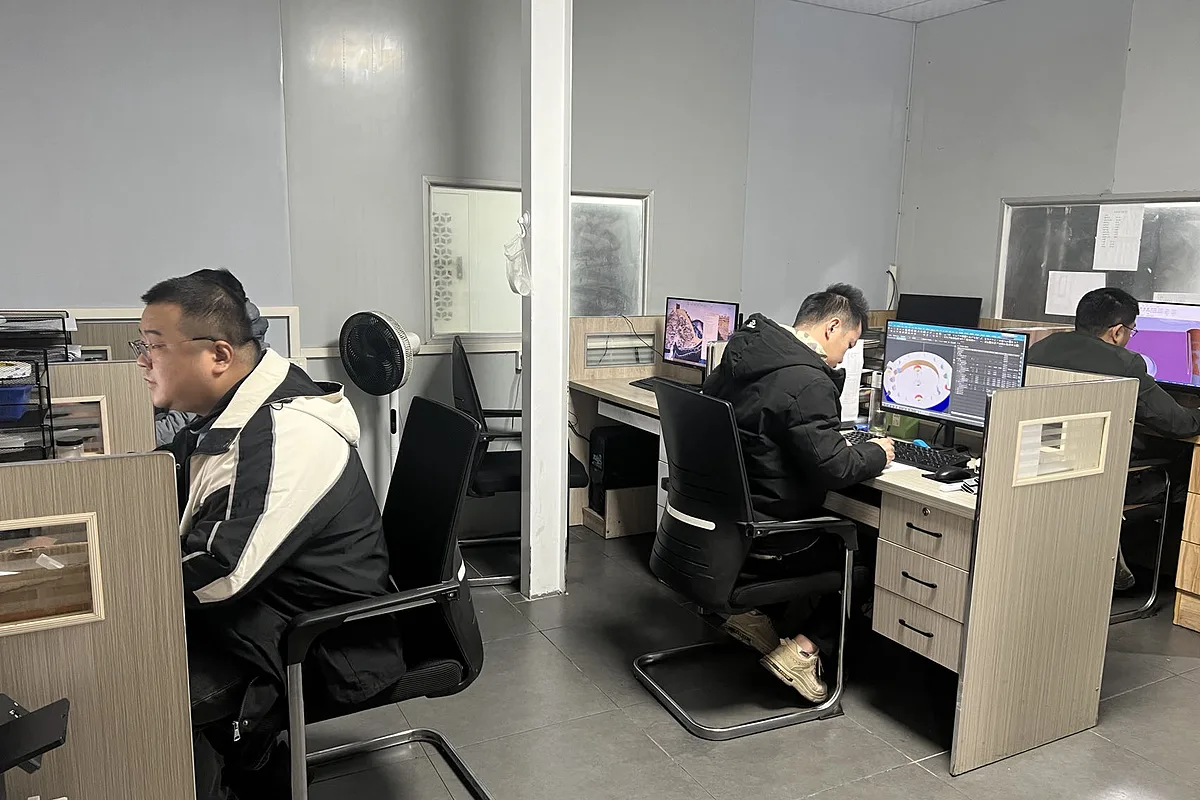
Get silicone parts reviewed for material fit, tooling path, documentation scope, and production assumptions.
Get LSR Angebot