
Metal 3D-Druck
Leistungen
DFocus PROTOTYPE offers industrial metal 3D printing using DMLS (Direct Metal Laser Sintering) and SLM (Selective Laser Melting) technologies. Create complex metal parts impossible with traditional manufacturing.
- Complex Internal Channels & Lattices
- Titanium, Stainless Steel, Aluminum
- Full-Density Metal Parts (99.5%+)
DMLS/SLM. Titanium, SS 316L, AlSi10Mg, Inconel.
What is Metal 3D-Druck?
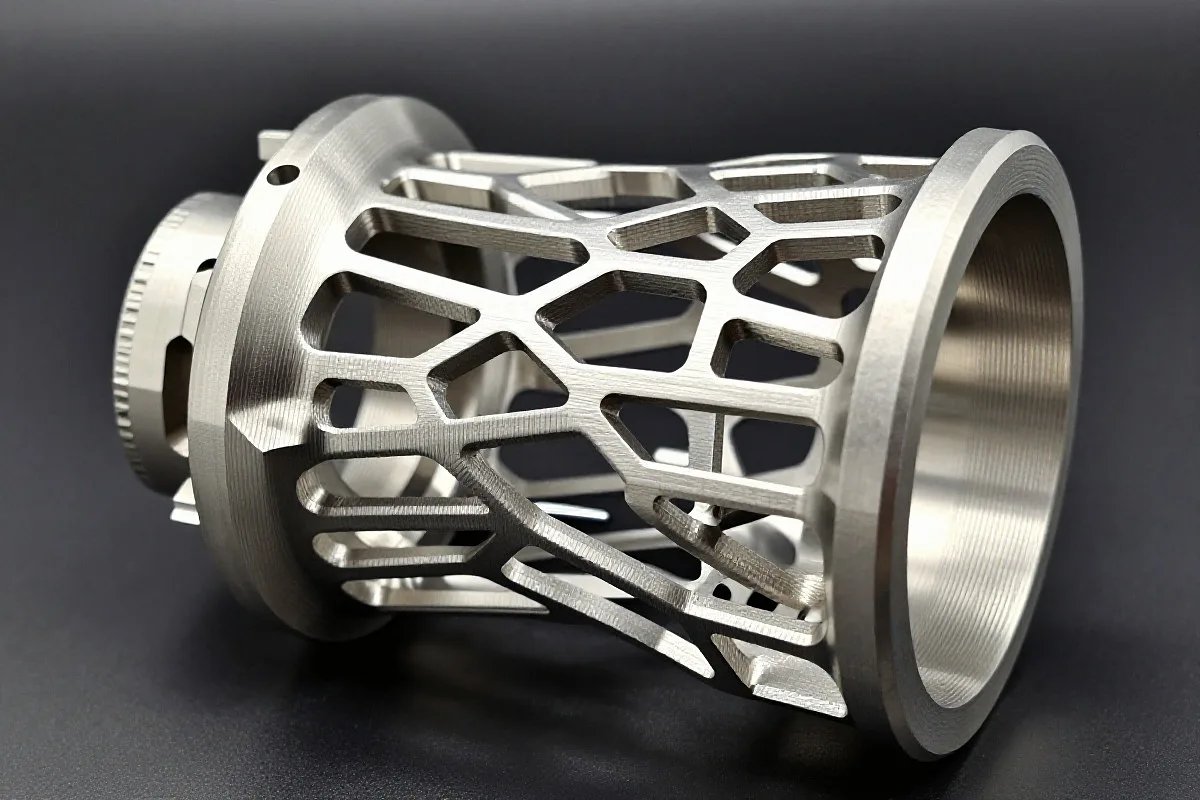
Metal 3D printing (also known as DMLS or SLM) uses a high-power laser to selectively melt metal powder layer by layer. The result is fully dense metal parts with mechanical properties comparable to wrought or cast metals.
This technology enables complex geometries impossible with traditional machining—internal cooling channels, lattice structures for weight reduction, and consolidated assemblies that eliminate the need for welding.
Get an Engineer Review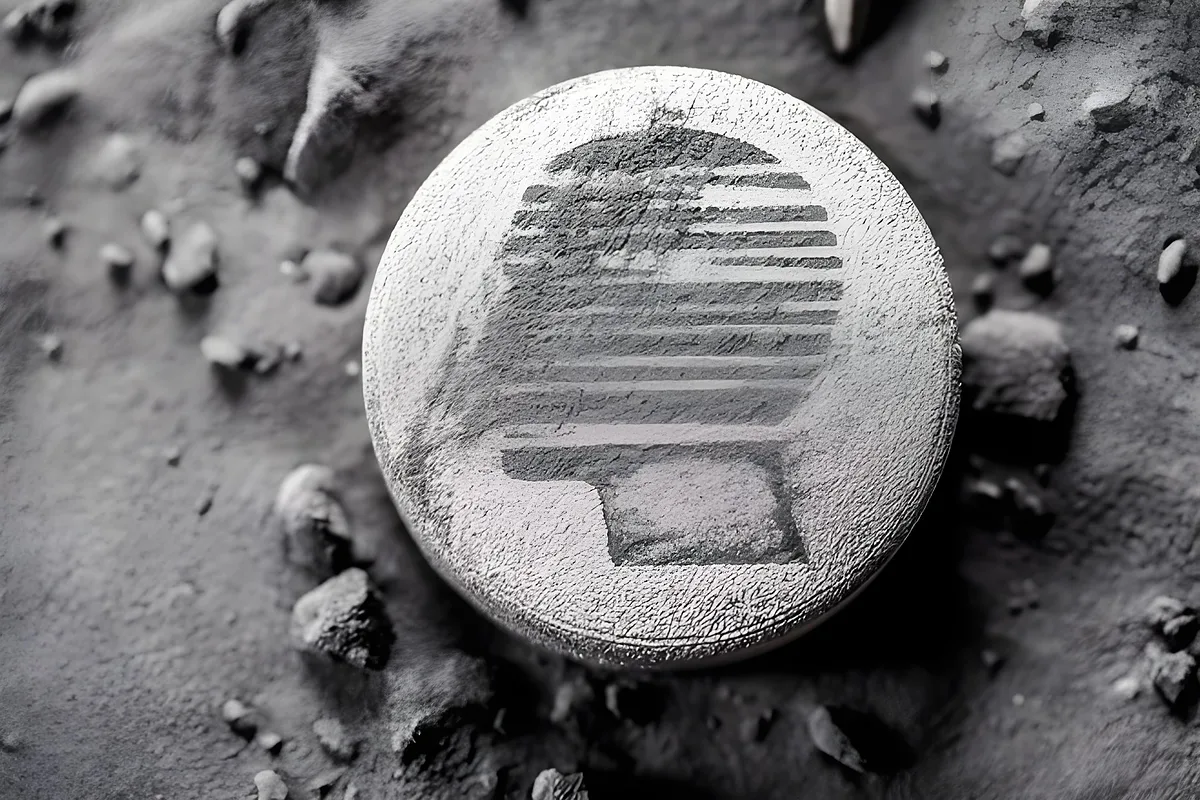
Why Choose Metal 3D-Druck?
Unlock design freedom and performance impossible with traditional manufacturing.
Complex Geometry
Internal channels, organic shapes, and lattice structures impossible with CNC.
Lightweight Design
Reduce weight up to 60% with topology-optimized lattice structures.
Part Consolidation
Combine multiple components into single parts, eliminating assembly.
Rapid Iteration
No tooling required—go from CAD to metal part in days, not weeks.
Metal 3D-Druck Materialien
We offer a comprehensive range of metal powders for various applications.
Stainless Steel
316L & 17-4 PH for corrosion resistance and strength.
- Medizintechnik devices
- Food processing
Titanium
Ti6Al4V for aerospace-grade strength-to-weight ratio.
- Luft- und Raumfahrt components
- Medizintechnik-device prototypes
Aluminum
AlSi10Mg for lightweight parts with good thermal conductivity.
- Automotive parts
- Heat exchangers
Inconel
Inconel 625/718 for extreme heat and corrosion resistance.
- Turbine blades
- Rocket engines
Industry Applications
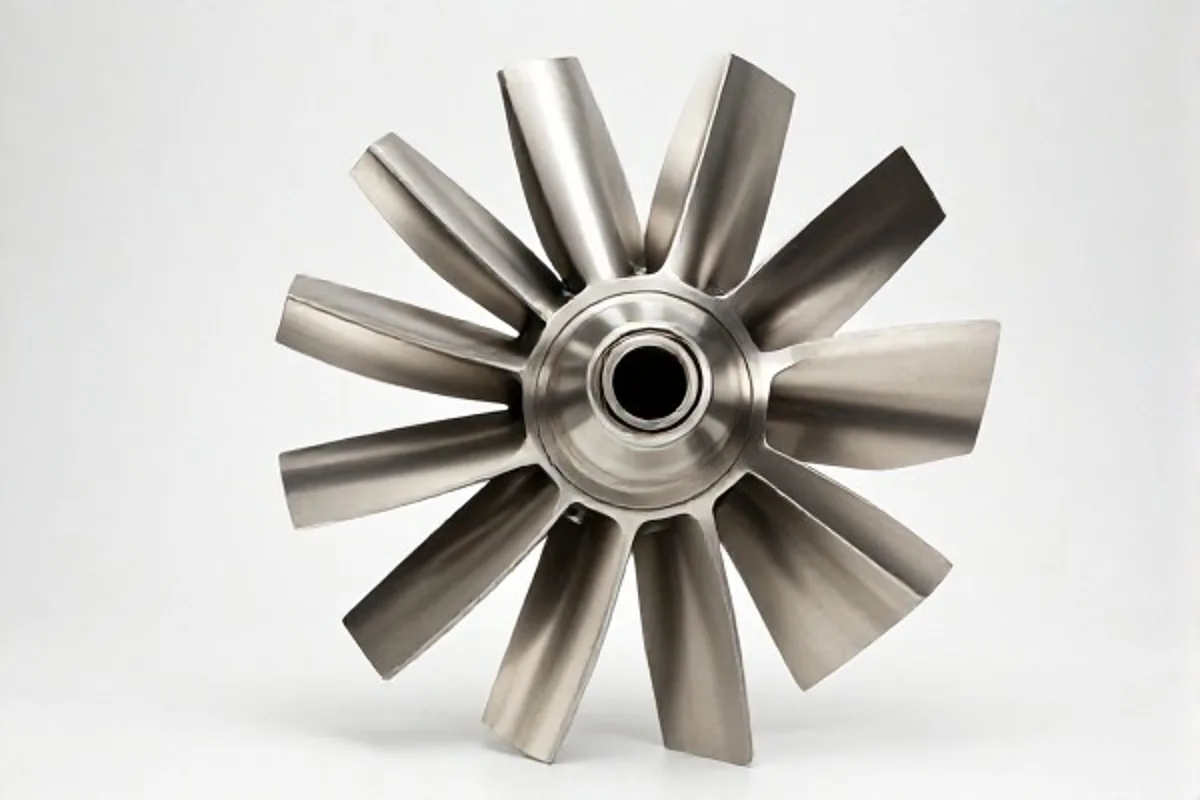
Luft- und Raumfahrt & Defense
Lightweight brackets, turbine components, and fuel nozzles with complex internal geometries.
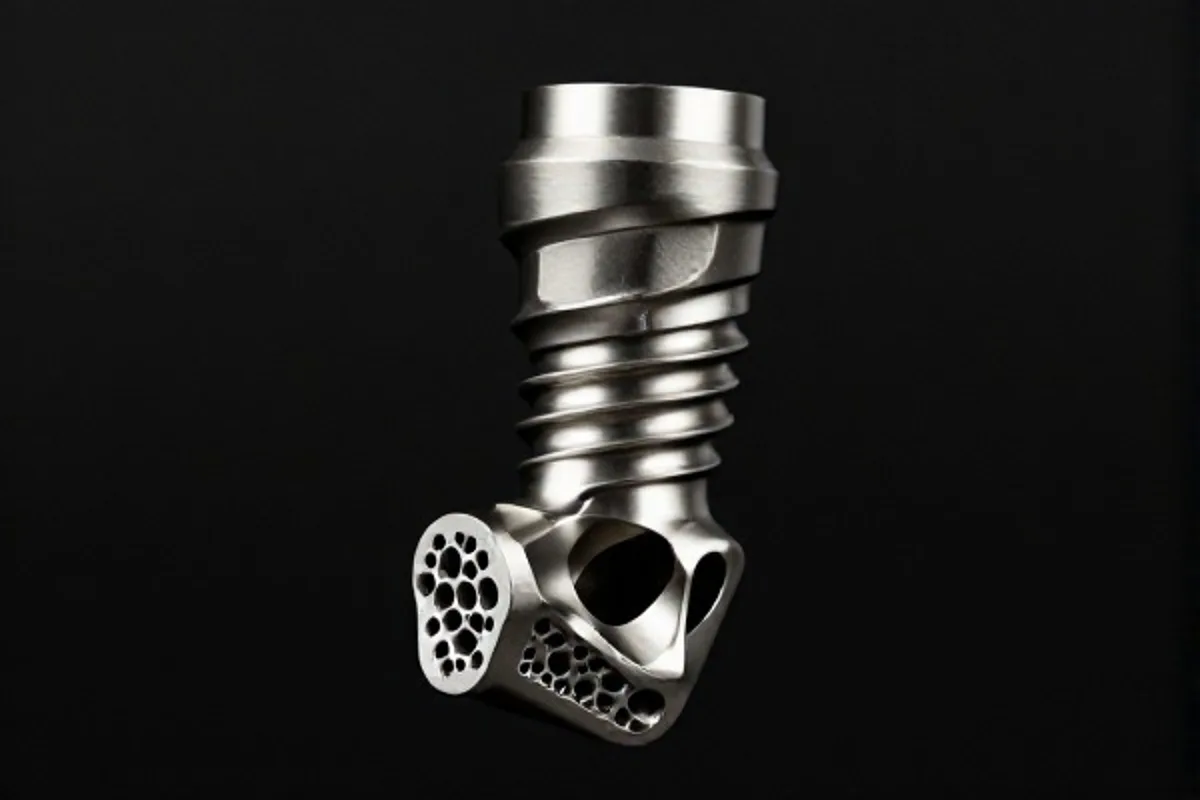
Medizintechnik-Device Development
Non-implant prototype components, test fixtures, and development parts where material traceability and documentation are confirmed during RFQ.
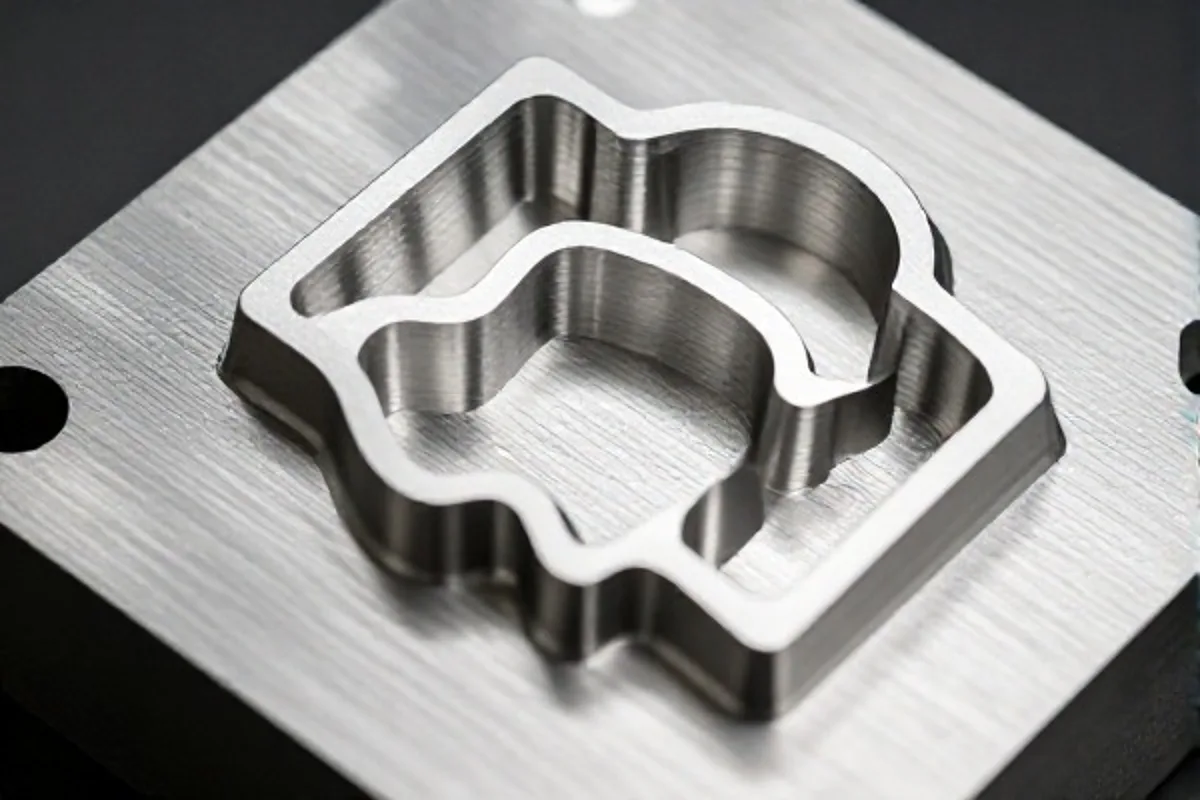
Automotive & Motorsport
Conformal cooling channels in molds, lightweight structural parts, and custom tooling.
Post-Processing Options
Metal 3D printed parts can be further processed to meet your exact specifications.
Heat Treatment
Stress relief & HIP
CNC Finishing
Precision surfaces
Bead Blasting
Uniform texture
Polishing
Mirror finish
Anodizing
Color & protection
CT Scanning
Internal inspection
Luft- und Raumfahrt-Grade Quality
Our metal 3D printing meets the most demanding industry standards. Every part is inspected and documented.
Layers
20-50μm
X-Ray/CT
Internal QC
Traceable
Scope by RFQ
Reports
Traceability by RFQ
Metal 3D-Druck FAQ
What is the difference between DMLS and SLM?
DMLS (Direct Metal Laser Sintering) partially melts metal powder, while SLM (Selective Laser Melting) fully melts it. In practice, they produce similar results, with SLM offering slightly higher density. We use both technologies depending on the material.
How strong are metal 3D printed parts?
After proper heat treatment, metal 3D printed parts achieve 95-100% of the mechanical properties of wrought materials. Titanium Ti6Al4V, for example, achieves tensile strengths over 1000 MPa.
What is the minimum wall thickness?
Minimum wall thickness depends on the material and geometry. Generally, 0.4mm is achievable for most metals, with 0.8-1.0mm recommended for structural integrity.
Do metal 3D printed parts require support structures?
Yes, metal 3D printing requires support structures for overhangs typically greater than 45°. These supports are machined off after printing. We optimize part orientation to minimize support requirements.
Start Your Metal 3D Project Today
Upload your STEP or STL files for an instant, secure quote.
CAD zur Prüfung hochladen