
Over Mould Casting
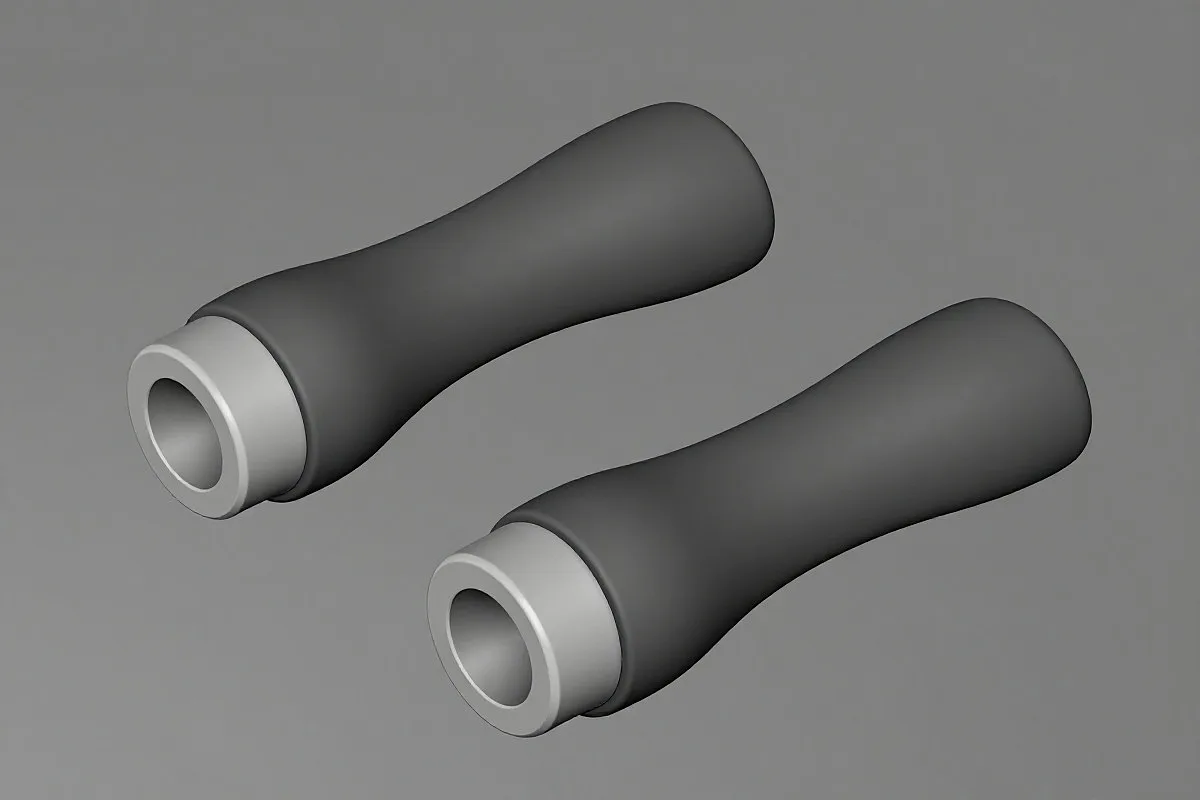
Over-mould casting bonds a soft elastomer (such as silicone rubber or flexible polyurethane) onto a rigid substrate, creating multi-material parts in a single workflow. Perfect for grips, seals, buttons, and ergonomic housings.
- Multi-Material Bonding (Rigid + Soft)
- Shore A 30-90 Hardness Range
- No Tooling — Silicone Molds
Soft-touch grips, sealing, and multi-material prototypes.
Verified Precision
We don't just claim precision; we verify it. Inspection scope is agreed during RFQ and verified with suitable metrology equipment when included.
Precision
High Accuracy
Inspection
Detailed Reports
Standard
Documented QC
Finish
Premium Surface
Over Mould Casting
Over-moulding bonds two different materials together — typically a rigid ABS-like core with a soft-touch TPE or silicone outer layer. This creates ergonomic grips, waterproof seals, vibration dampening, and multi-colour parts all in one step.
Using vacuum-cast silicone molds, we can deliver over-moulded prototypes in 5-7 days without expensive injection mold tooling. Ideal for consumer electronics, power tools, medical devices, and any product requiring a soft-touch interface.
Get an Engineer Review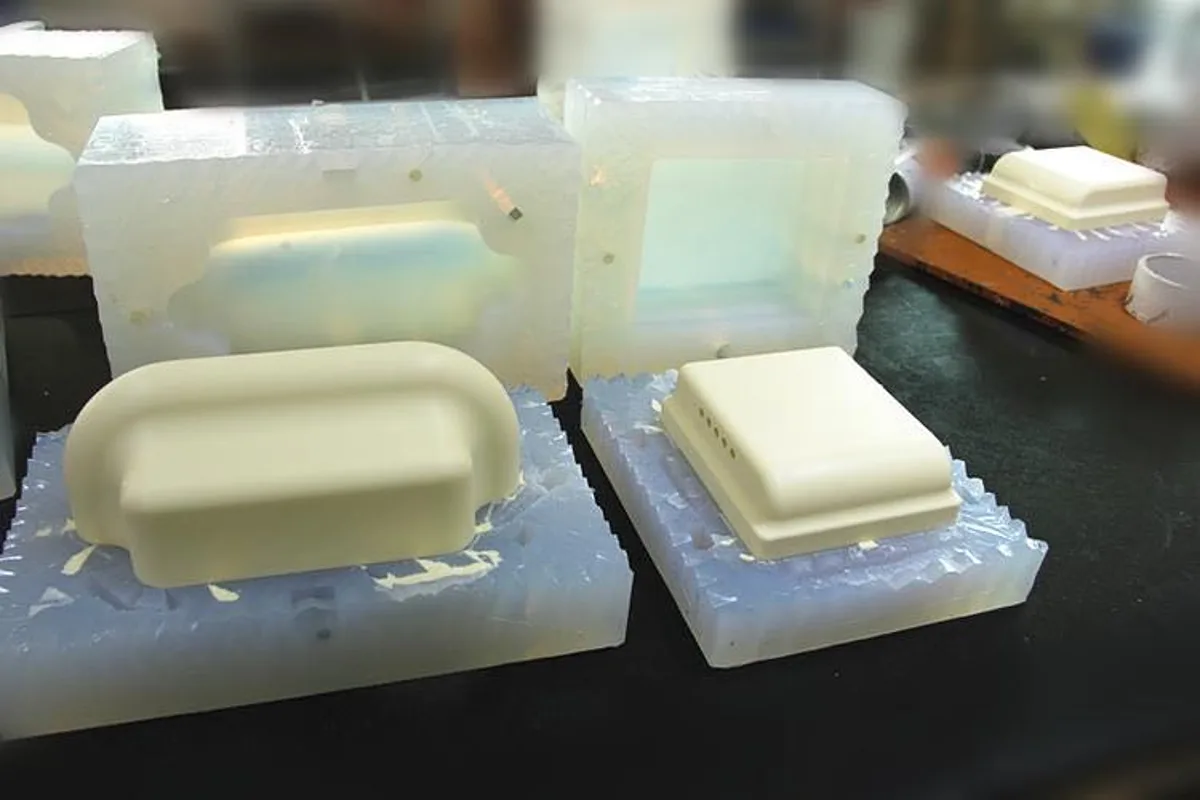
Over-mould casting for two-material prototype validation
Over-mould casting supports prototype parts that need a rigid insert with a softer grip, seal, cover, or touch surface before committing to production tooling.
Soft-touch grips, handles, seals, wearable covers, protective corners, insert prototypes, and user-test assemblies.
CAD for both materials, insert details, Shore hardness target, color reference, bonding area, quantity, and assembly purpose.
Undercuts, insert location, wall thickness, bonding surface, parting line, air traps, and expected prototype durability.
Prototype over-mould casting validates appearance and fit, but production overmolding still requires tooling and material review.
How to prepare a quote-ready RFQ
Before quoting, send the part purpose, CAD revision, material target, finish, tolerance-critical features, inspection expectations, packaging needs, and destination so engineering can price the correct route.
What engineers need to review accurately
A stronger RFQ identifies the functional goal, critical dimensions, appearance requirements, quantity, flexible constraints, and inspection evidence expected before shipment.