
Self Coloured Casting
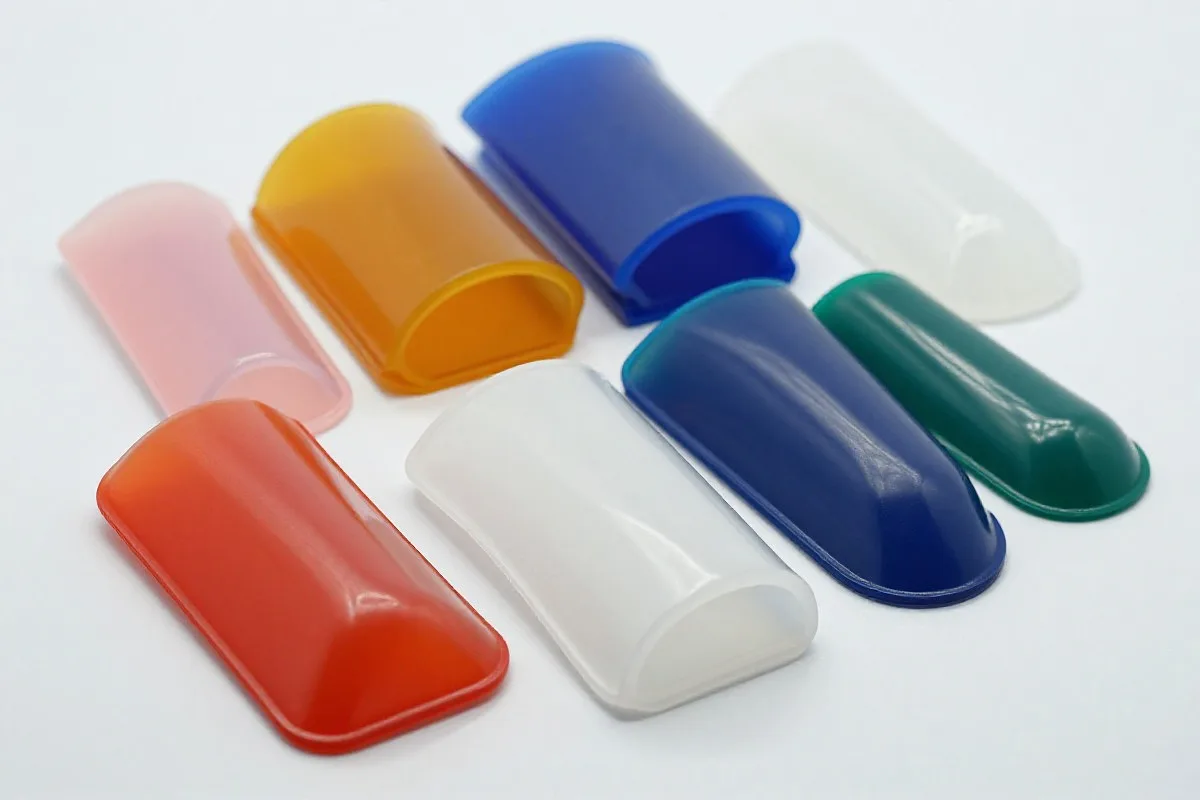
Self-coloured vacuum casting produces parts in production-matched colours without painting. Pigmented polyurethane resins are cast in silicone molds, delivering consistent colour throughout the entire part — no chipping, peeling, or fading.
- Colour Throughout — No Post-Painting Needed
- RAL / Pantone Match Available
- 10-200 Units per Mold
Production-matched colors. No painting required.
Verified Precision
We don't just claim precision; we verify it. Inspection scope is agreed during RFQ and verified with suitable metrology equipment when included.
Precision
High Accuracy
Inspection
Detailed Reports
Standard
Documented QC
Finish
Premium Surface
Self Coloured Casting
Self-coloured casting eliminates the painting step by mixing pigments directly into the polyurethane resin before casting. This means the colour is integral to the material — scratch the surface and it's the same colour underneath.
This process is ideal for consumer product prototypes, exhibition models, and pre-production runs where painted finishes are not durable enough or add unwanted lead time. We can match RAL, Pantone, or custom colour samples.
Get an Engineer Review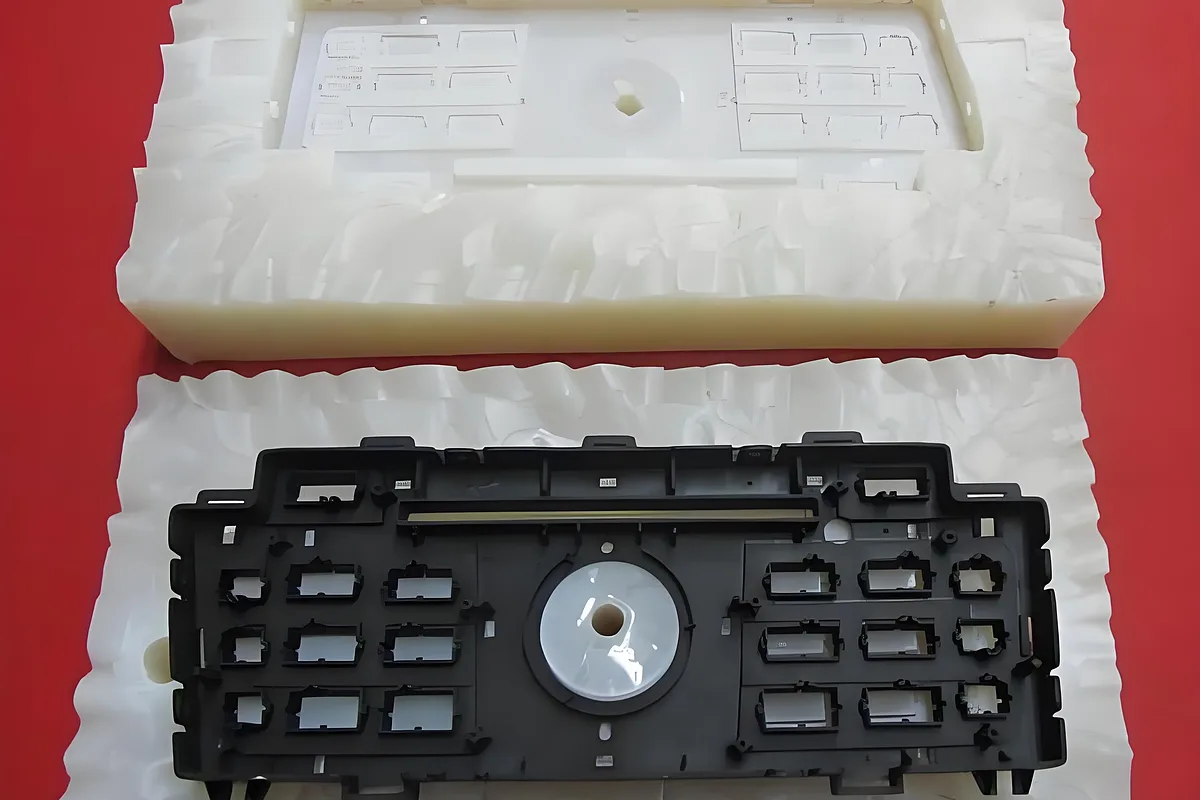
Self-coloured casting for appearance prototype batches
Self-coloured urethane casting can reduce painting work when low-volume plastic prototypes need molded-in color, consistent visual appearance, and enough durability for handling or customer review.
Appearance models, handheld housings, presentation samples, early user-test parts, and bridge batches before injection molding.
Master model, color reference, surface texture, quantity, hardness target if relevant, and cosmetic acceptance standard.
Review color consistency, bubbles, shrinkage, flash, surface marks, parting line position, and assembly fit before shipping.
Use CNC or 3D printing for the master, then urethane casting when repeated plastic-like samples are needed.
How to prepare a quote-ready RFQ
Before quoting, send the part purpose, CAD revision, material target, finish, tolerance-critical features, inspection expectations, packaging needs, and destination so engineering can price the correct route.
What engineers need to review accurately
A stronger RFQ identifies the functional goal, critical dimensions, appearance requirements, quantity, flexible constraints, and inspection evidence expected before shipment.