
Low-Volume
금속 주조 서비스
High-quality pressure die casting and investment casting for prototypes and low-volume production. DFocus PROTOTYPE supports prototype and low-volume casting routes with batch size, tooling economics, and inspection scope reviewed during RFQ.
- Die Casting (Aluminum, Zinc, Magnesium)
- Investment Casting (Steel, Brass)
- Batch size reviewed during RFQ
DFM review is part of quote review. CNC finishing for critical features is confirmed during RFQ.
금속 주조 Capabilities
We offer diverse casting solutions tailored to your volume, material, and tolerance requirements.
Pressure Die Casting
Molten metal is forced into a steel mold under high pressure. Used for validated pilot or repeat runs when tooling economics, alloy choice, and tolerance assumptions fit the project.
- • Aluminum (A380, A356)
- • Zinc (Zamak 3, 5)
- • Magnesium (AZ91D)
- • Thin walls capable
Investment Casting
Also known as "Lost Wax" casting. Uses wax patterns (often 3D printed for low volumes) to create ceramic molds. Perfect for complex steel parts.
- • Stainless Steel (304, 316)
- • Carbon Steel
- • Brass & Bronze
- • Complex internal channels
Casting Selection Guide
Not sure which process fits? Use this quick guide based on your volume and material needs.
Tooling route and unit cost depend on geometry, alloy, batch assumptions, and inspection scope.
Superior surface finish for steel.
Lowest tooling cost for big parts.
Material Options
Aluminum
Lightweight, good strength-to-weight. Commonly die cast (A380) for housings and brackets.
Zinc
High density, easy to plate. Excellent for small, detailed decorative parts.
Steel & Stainless
Investment cast for superior strength and corrosion resistance.
금속 주조 FAQ
How is batch size confirmed?
Batch size depends on casting route, material, tooling economics, finishing, and inspection scope. We confirm the practical quantity range during RFQ.
Why choose casting over CNC machining?
Casting is superior for complex internal geometries (undercuts) that CNC cannot reach. It also reduces material waste and cost for medium volumes (50+ parts) compared to machining from solid blocks.
Can you hold tight tolerances?
Casting alone has looser tolerances than CNC. However, we combine processes: we cast the near-net shape and then CNC machine critical features (holes, flat surfaces) to achieve high precision.
Production Quality Metal Parts
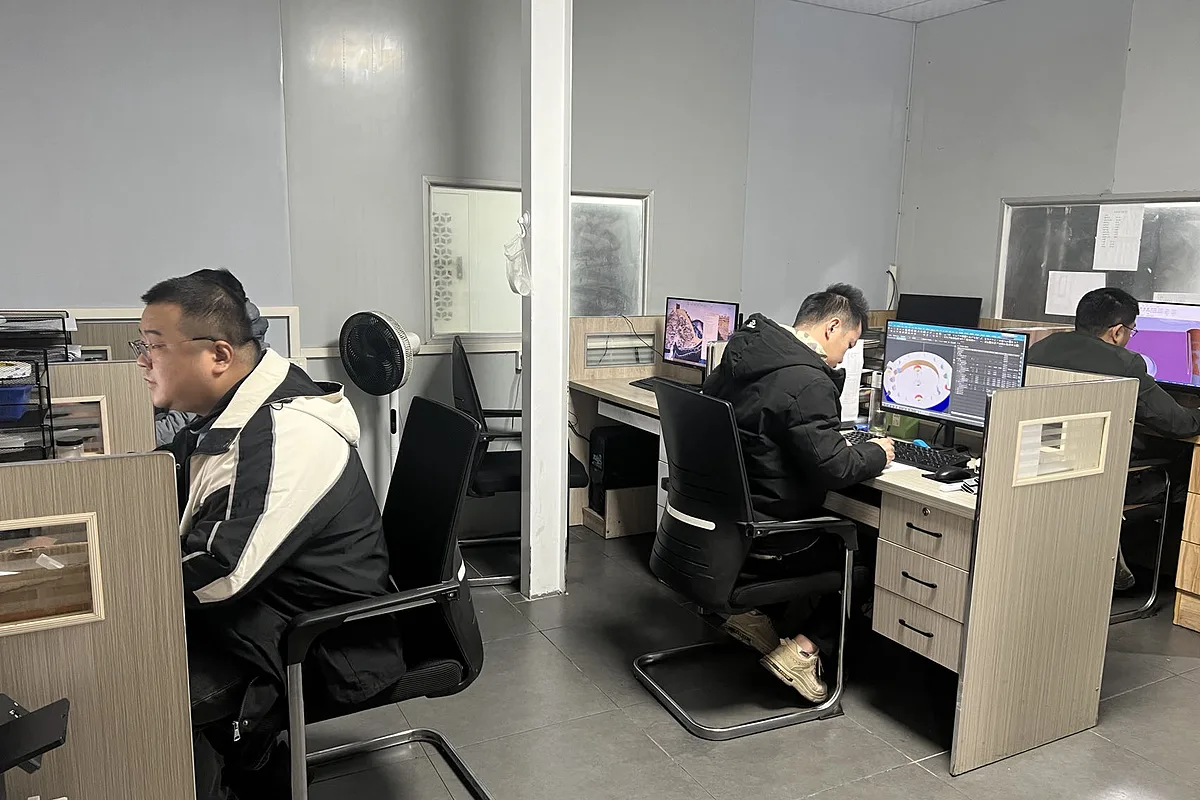
CAD 업로드 file for 견적과 함께 DFM 검토. Casting route, batch size, and inspection scope are confirmed before production.
Get Casting 견적