
Custom Online
레이저 절단 서비스
Precision sheet metal laser cutting for prototypes and production parts. DFocus PROTOTYPE delivers high-quality cut parts in as fast as 5 days using advanced Fiber and CO2 laser technology.
- 빠른 납기 (Ship in ~5 Days)
- Metals (Steel, Aluminum) & Plastics (Acrylic)
- Tight Tolerances (±0.1 mm) & Clean Edges
Fiber + CO2 laser. Steel up to 20mm, acrylic up to 30mm.
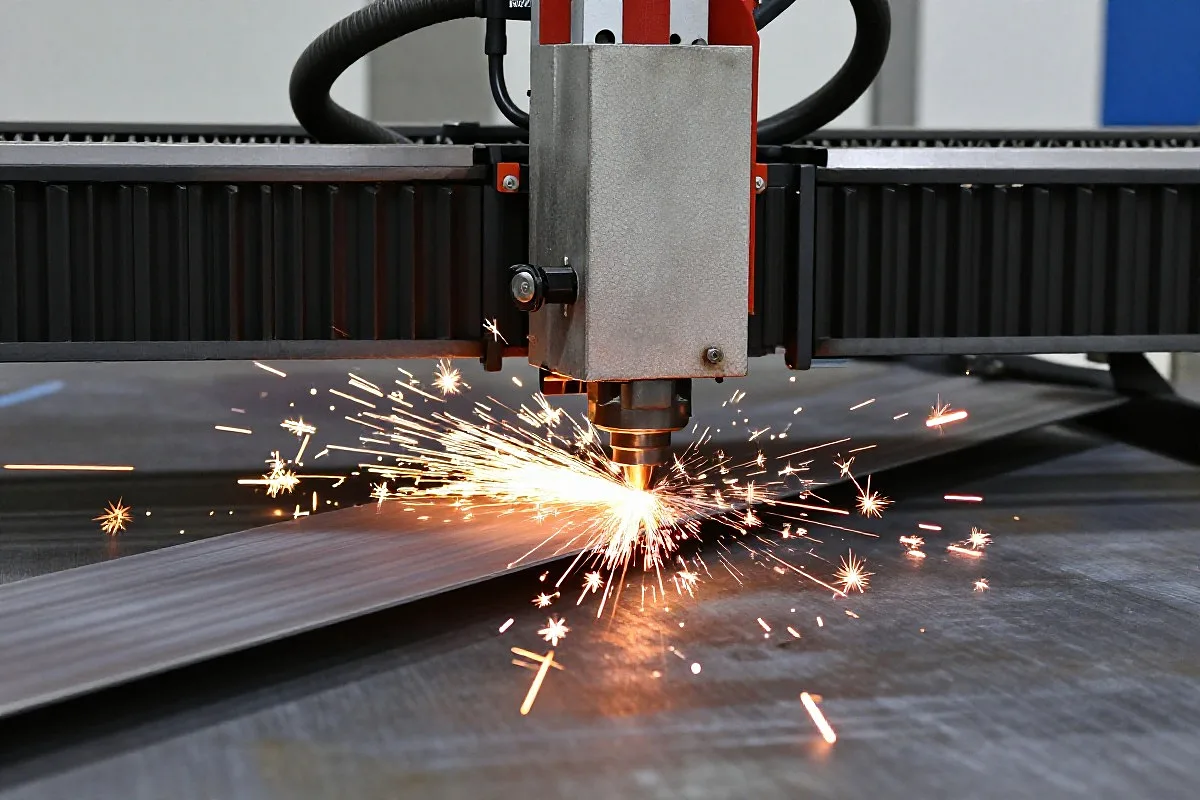
Comprehensive Laser 솔루션
From sheet metal fabrication to intricate acrylic designs, we use the right laser source for your material.
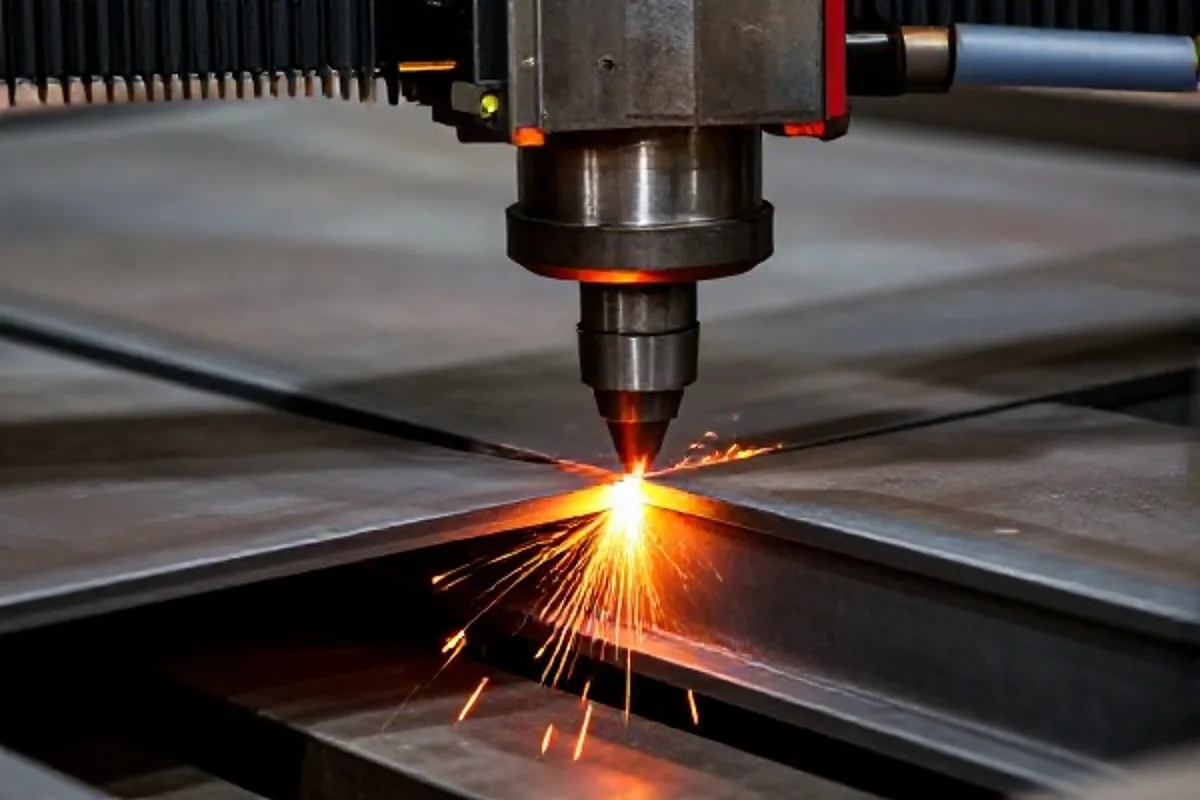
Metal 레이저 절단 (Fiber)
High-power fiber lasers capable of cutting stainless steel, carbon steel, aluminum, copper, and brass. Ideal for brackets, enclosures, and mechanical parts up to 20mm thick.
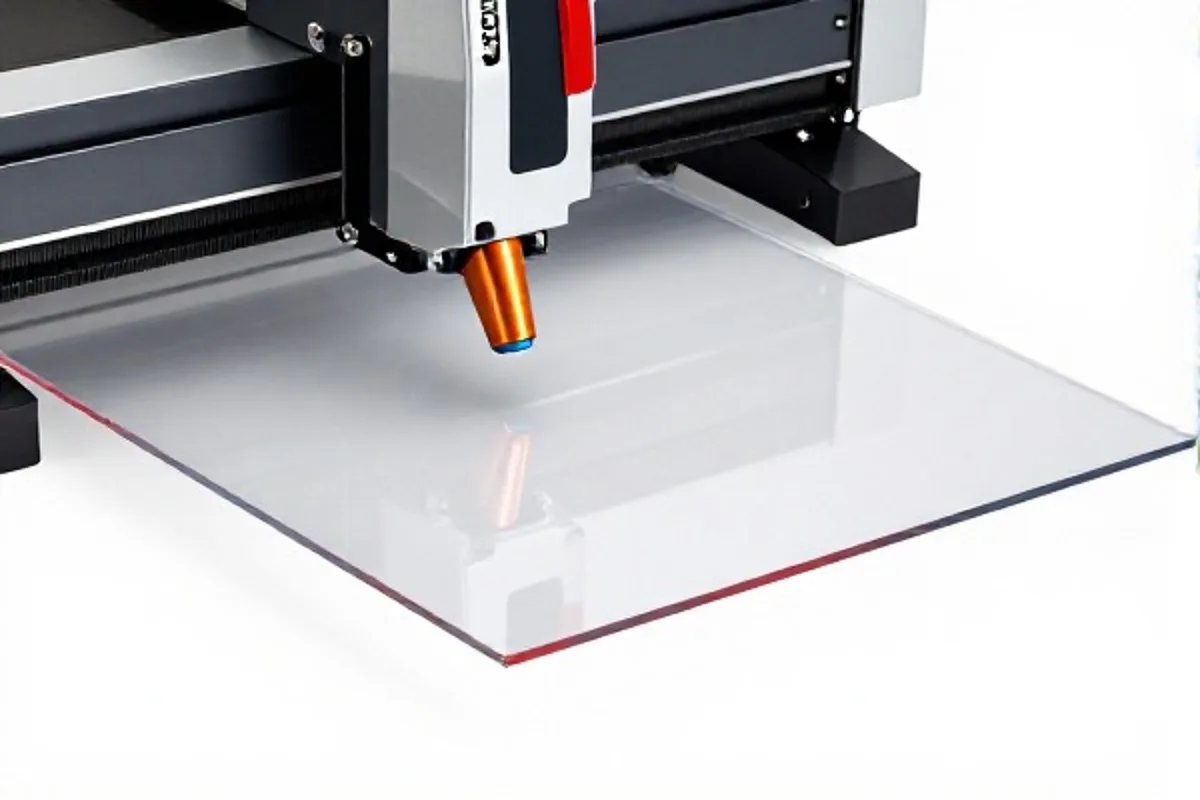
Non-Metal 레이저 절단 (CO2)
Precision CO2 lasers for cutting acrylic, wood, Delrin, and other plastics. Delivers flame-polished edges on acrylic and intricate detailing for display components.
Supported 소재
Steel Alloys
- Stainless Steel (304, 316)
- Mild Steel (Carbon Steel)
- Spring Steel
- Tool Steel
Non-Ferrous Metals
- Aluminum (6061, 5052)
- Copper
- Brass
- Titanium
Plastics
- Acrylic (PMMA)
- Delrin (POM)
- ABS (Thin sheet)
- Polycarbonate
기타
- Wood / Plywood
- Cardboard
- Rubber
- Foam
Technical Capabilities
| Feature | Fiber Laser (Metal) | CO2 Laser (Plastic) |
|---|---|---|
| Max Thickness | 20mm (Steel) | 30mm (Acrylic) |
| Tolerance | ±0.05 mm | ±0.15 mm |
| Min Hole Size | 0.5 x Thickness | 1.0 x Thickness |
| Kerf Width | 0.1 - 0.2 mm | 0.3 - 0.5 mm |
| Edge Finish | Oxide-free (N2 Cut) | Flame Polished |
Alternatives to 레이저 절단
For thicker materials or specific requirements, we also offer:
Waterjet Cutting
Cuts through thick metal plates (up to 4 inches) and heat-sensitive materials without thermal distortion.
Plasma Cutting
Cost-effective for cutting thick conductive metals where edge finish tolerances are less critical.
레이저 절단 FAQ
What is the thickest material you can laser cut?
Fiber lasers can cut metals up to 20-30mm thick in some cases, but 20mm is a safe standard maximum for quality edges. CO2 lasers can cut plastics and wood up to 30mm thick.
How fast can I get laser cut parts?
Simple flat parts can be cut and shipped in as little as 3-5 days. Complex projects with bending or welding post-processing will take longer.
어떤 파일 형식을 지원하나요?
For laser cutting, 2D vector files like DXF or DWG are preferred. However, we can also work from 3D CAD files (STEP, IGES, SLDPRT) and unfold them for you.
Get Your Parts In Days
Upload your DXF or STEP files for an instant laser cutting quote.
Get 레이저 절단 견적Laser cutting service buyer fit
Laser cutting is best for sheet metal blanks, panels, brackets, enclosure parts, and flat patterns. Send DXF plus STEP, material grade, thickness, quantity, edge expectations, and finish notes.
Flat panels, brackets, chassis blanks, enclosure plates, vents, mounting plates, and sheet metal prototypes.
Material grade, thickness, tolerance, edge quality, bend sequence, finish, and quantity.
Often combined with bending, punching, hardware insertion, welding, powder coating, and packaging review.
Missing DXF, unclear thickness, or undefined finish can turn a fast quote into repeated clarification.
What to send before quote
- ✓DXF and STEP files
- ✓Material and thickness
- ✓Edge and burr expectations
- ✓Finish and bend notes
- ✓Quantity and delivery country
요청할 품질 증빙
- ✓Flat pattern review
- ✓Cut edge photos
- ✓Critical dimension check
- ✓Finish and packaging photos
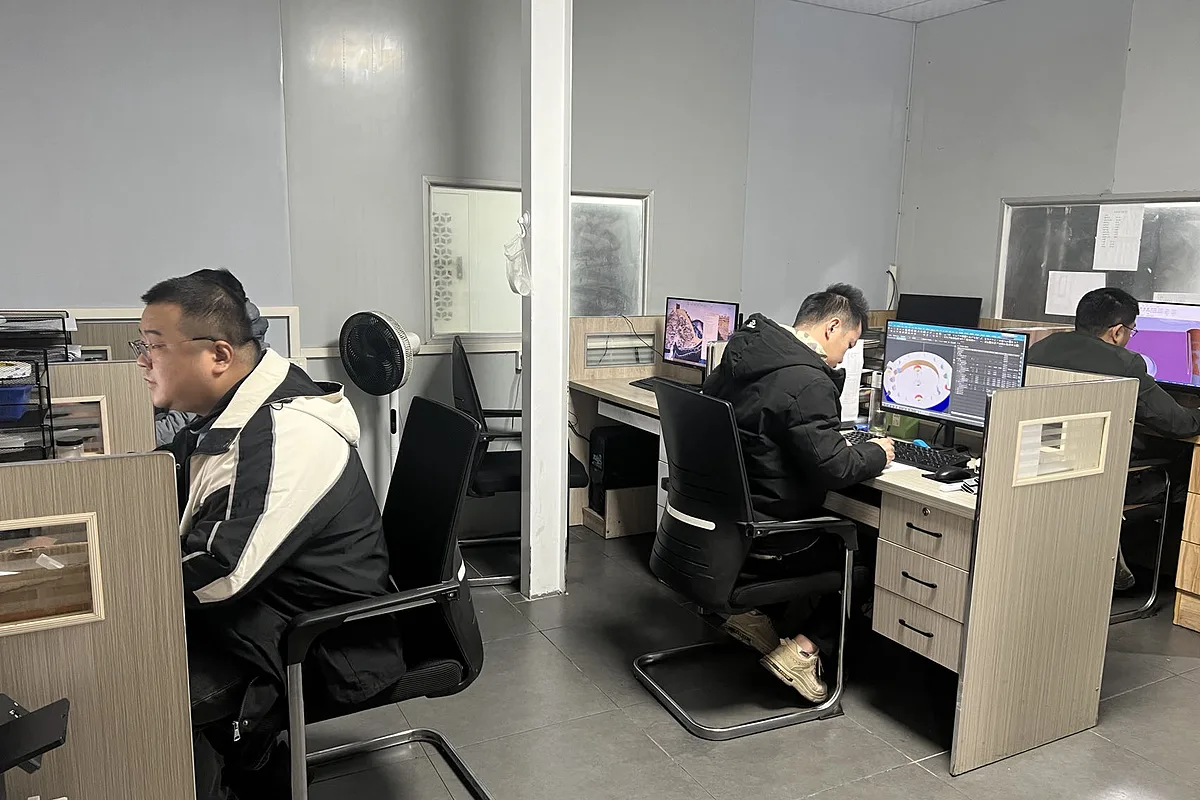
Phone-photo process evidence
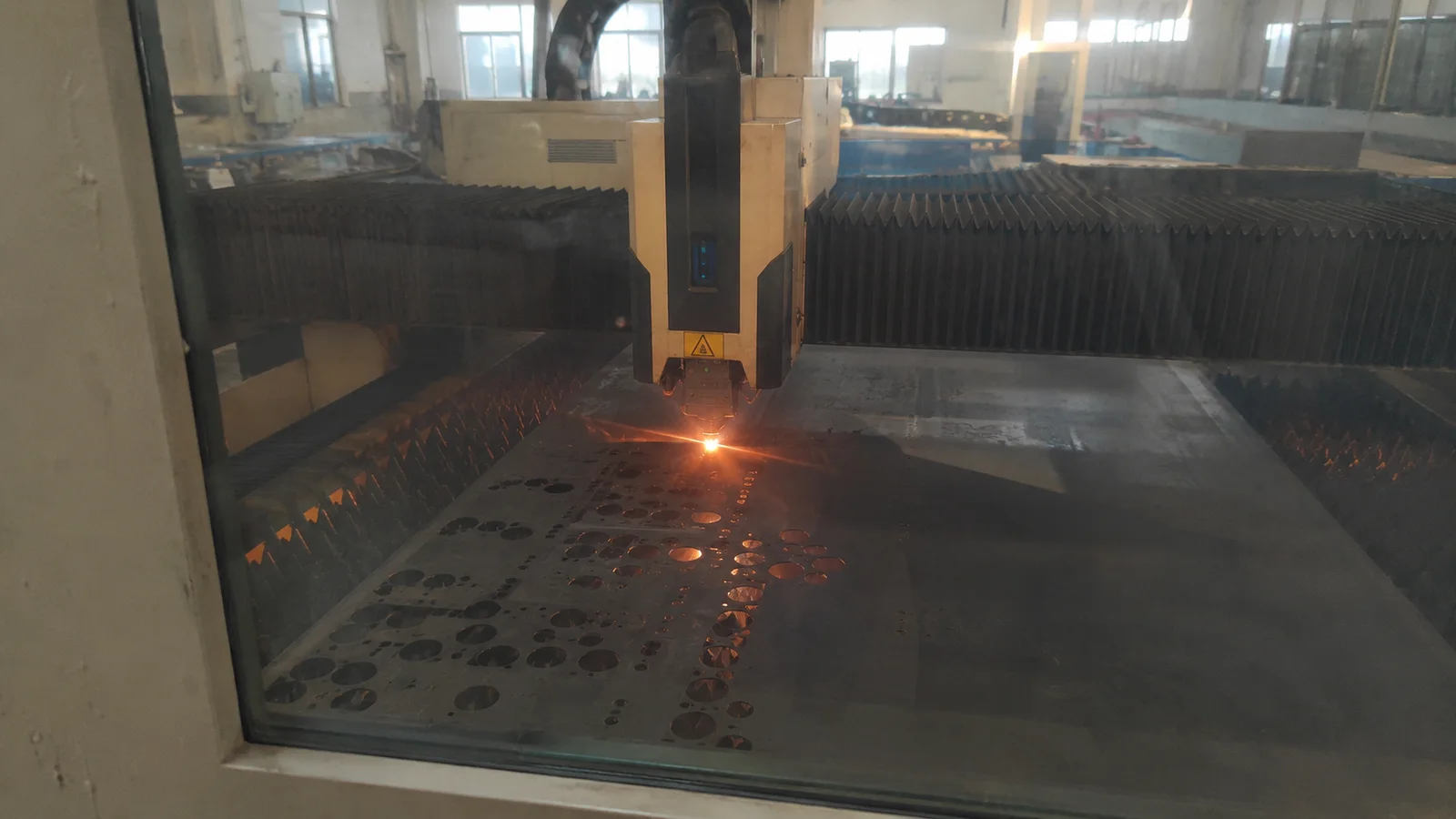
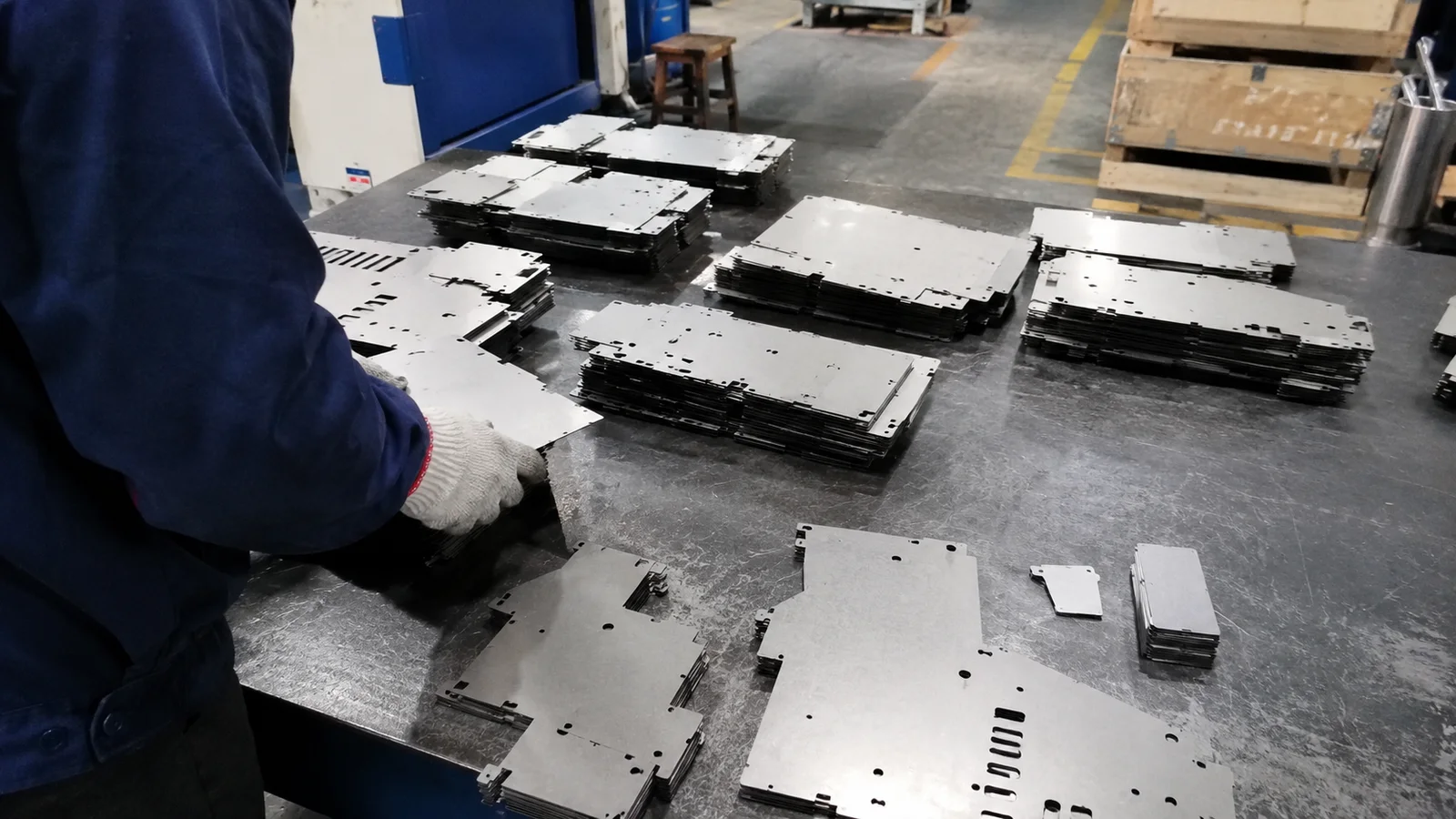
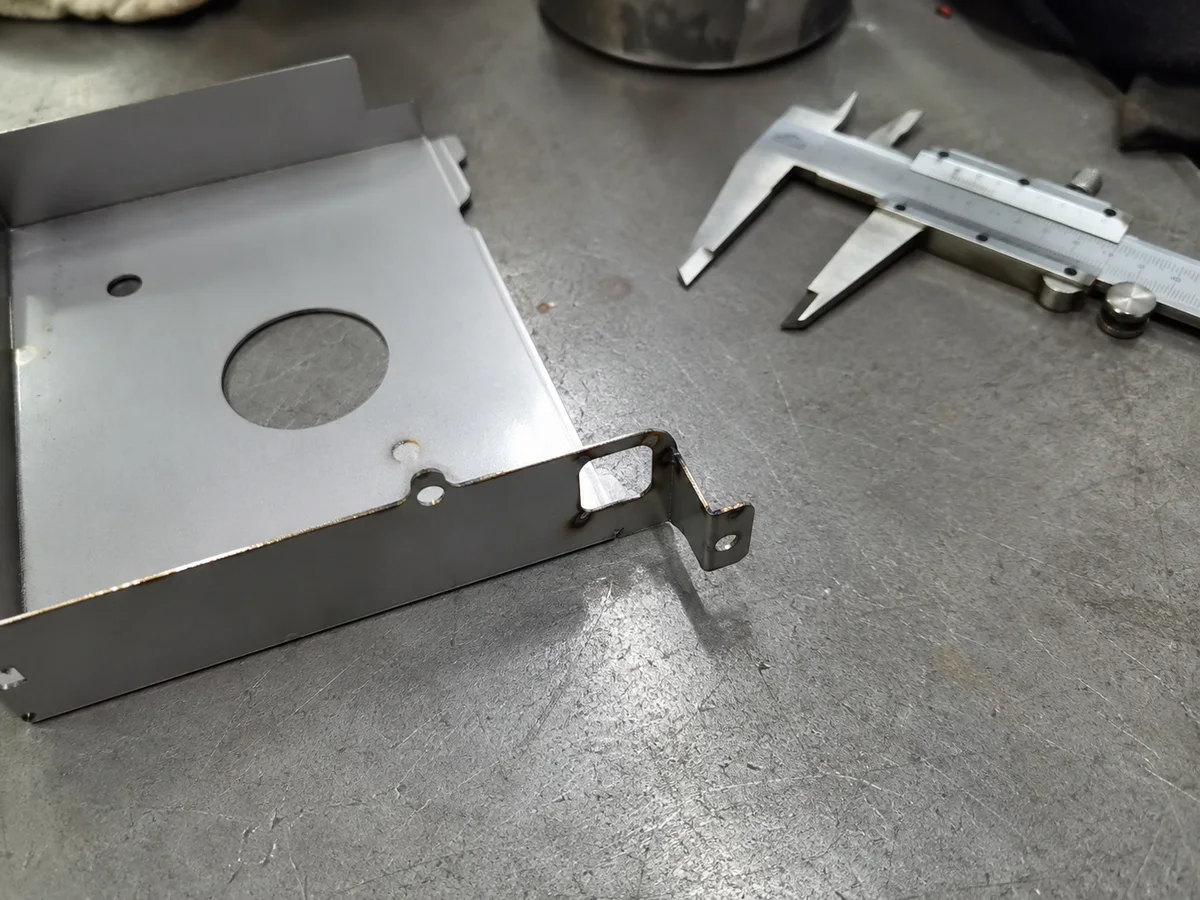
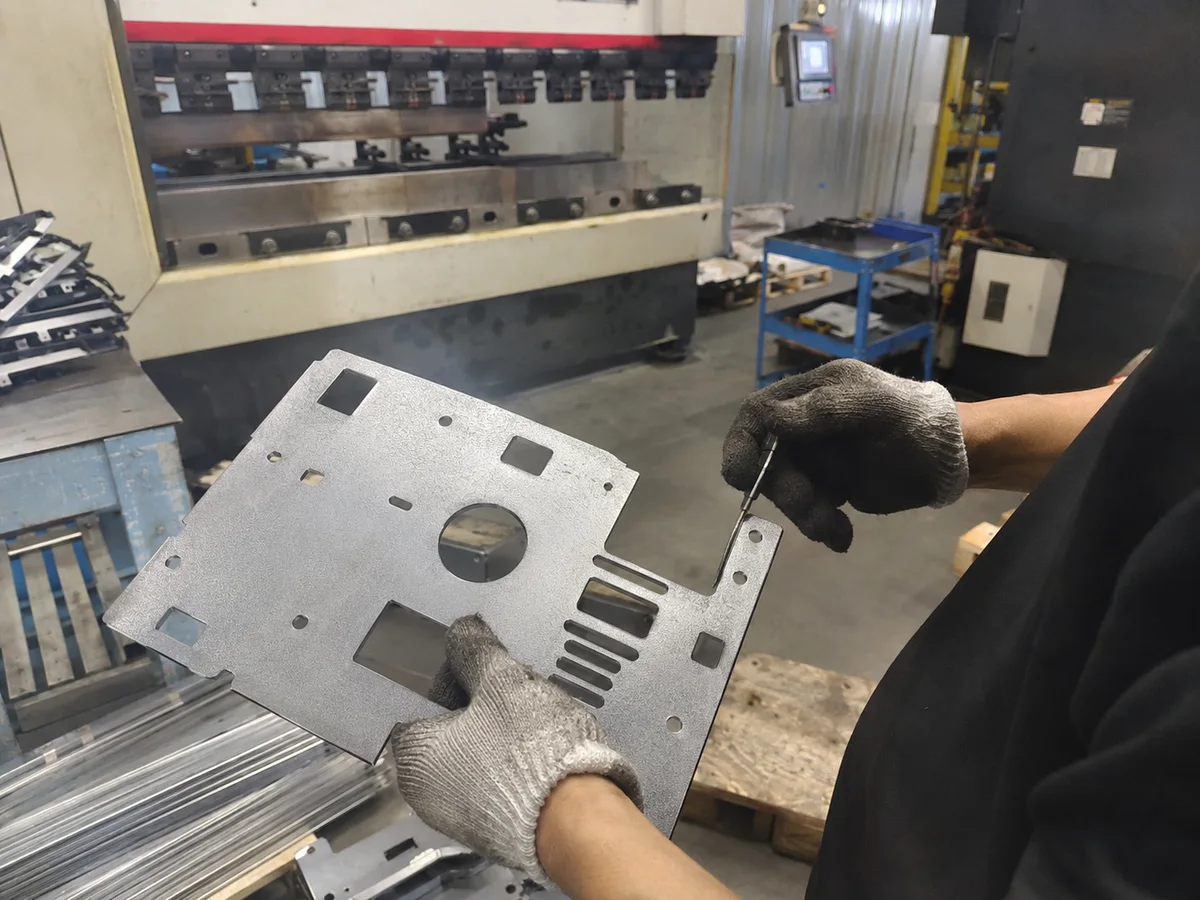
These images are used as practical visual proof points: shop-floor process, inspection, part review, packing, and quote-ready evidence rather than polished stock photography.
구매자 FAQ
What materials can be quoted for laser cutting?
Common RFQs include stainless steel, aluminum, carbon steel, and sheet metal blanks; thickness, grade, finish, and bend sequence must be confirmed.
Should I send DXF or STEP files?
Send both when possible. DXF helps flat cutting review, while STEP helps assembly context, bend checks, and downstream fabrication planning.
What causes laser cutting quote delays?
Missing material thickness, tolerances, edge quality expectations, finish notes, bend requirements, and quantity are common delay causes.