
SLS 3Dプリント
サービス
DFocus PROTOTYPE offers industrial-grade SLS (Selective Laser Sintering) 3D printing for durable, functional prototypes and end-use parts. Ideal for complex geometries, living hinges, and parts requiring real engineering plastic properties.
- No Support Structures Required
- Functional Nylon Parts (PA11, PA12)
- Production-準備完了 Durability
No supports. PA11, PA12, glass-filled. 100μm layers.
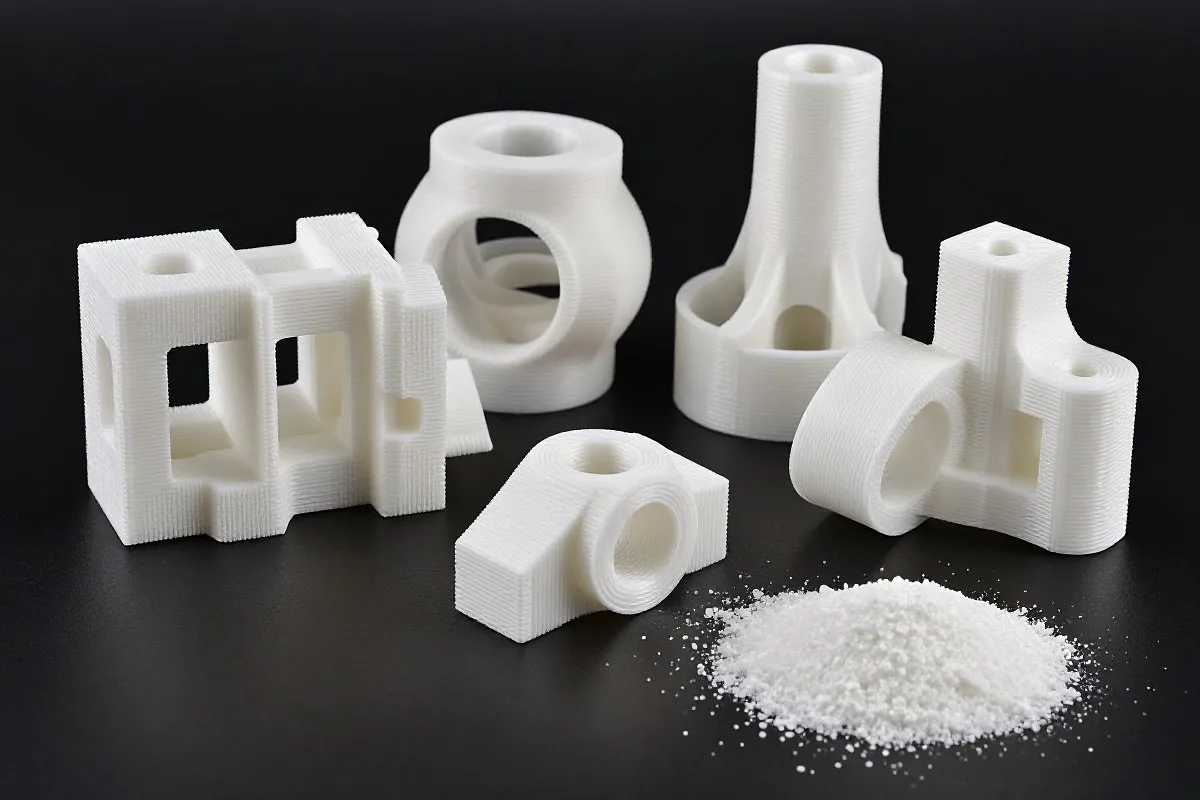
What is SLS 3Dプリント?
SLS (Selective Laser Sintering) uses a high-power CO2 laser to fuse powdered nylon (polyamide) material layer by layer. Unlike SLA or FDM, SLS requires no support structures because the unfused powder acts as support during printing.
This technology produces strong, durable parts with excellent mechanical properties, making it ideal for functional prototypes, end-use parts, and small batch production.
Get an Engineer Review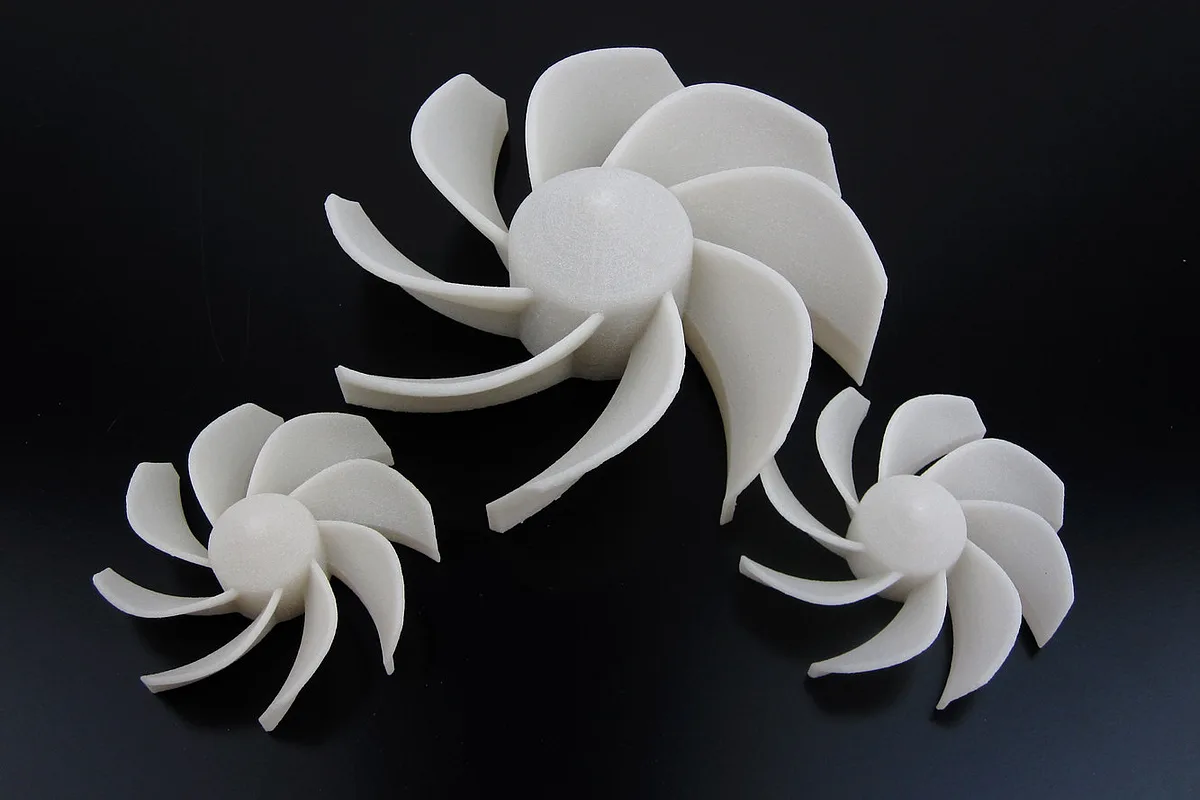
Why Choose SLS Printing?
Discover the advantages of selective laser sintering for functional parts.
No Supports Needed
Powder bed supports parts during print, enabling complex internal channels and interlocking assemblies.
High Strength
Nylon parts with near-isotropic mechanical properties for functional testing and end-use.
Heat Resistant
PA12 withstands temperatures up to 175°C for demanding applications.
Batch Production
Print hundreds of parts simultaneously in a single build for cost-effective volumes.
SLS 材料
We offer a range of engineering-grade nylon powders for various applications.
PA12 Nylon
The most popular SLS material, offering excellent all-round properties.
- High strength & flexibility
- Chemical resistant
- Best value for most applications
PA11 (Bio-Based)
Made from castor oil, offering enhanced flexibility and impact resistance.
- Superior ductility & impact
- Sustainable bio-based source
- Living hinges & snap fits
PA12-GF (Glass-Filled)
40% glass bead reinforced for maximum stiffness and heat resistance.
- 50% higher stiffness
- HDT up to 175°C
- Metal replacement parts
SLS vs. Other 3Dプリント Technologies
Choose the right technology for your application.
| Feature | SLS | SLA | FDM |
|---|---|---|---|
| Material | Nylon (PA11, PA12) | Photopolymer Resin | PLA, ABS, PETG |
| Strength | Excellent | Moderate | Good |
| Surface Finish | Matte/Grainy | Smooth | Layer Lines |
| Supports Required | No | Yes | Yes |
| Best For | Functional parts, batch | Visual prototypes | Concept models |
Common Applications
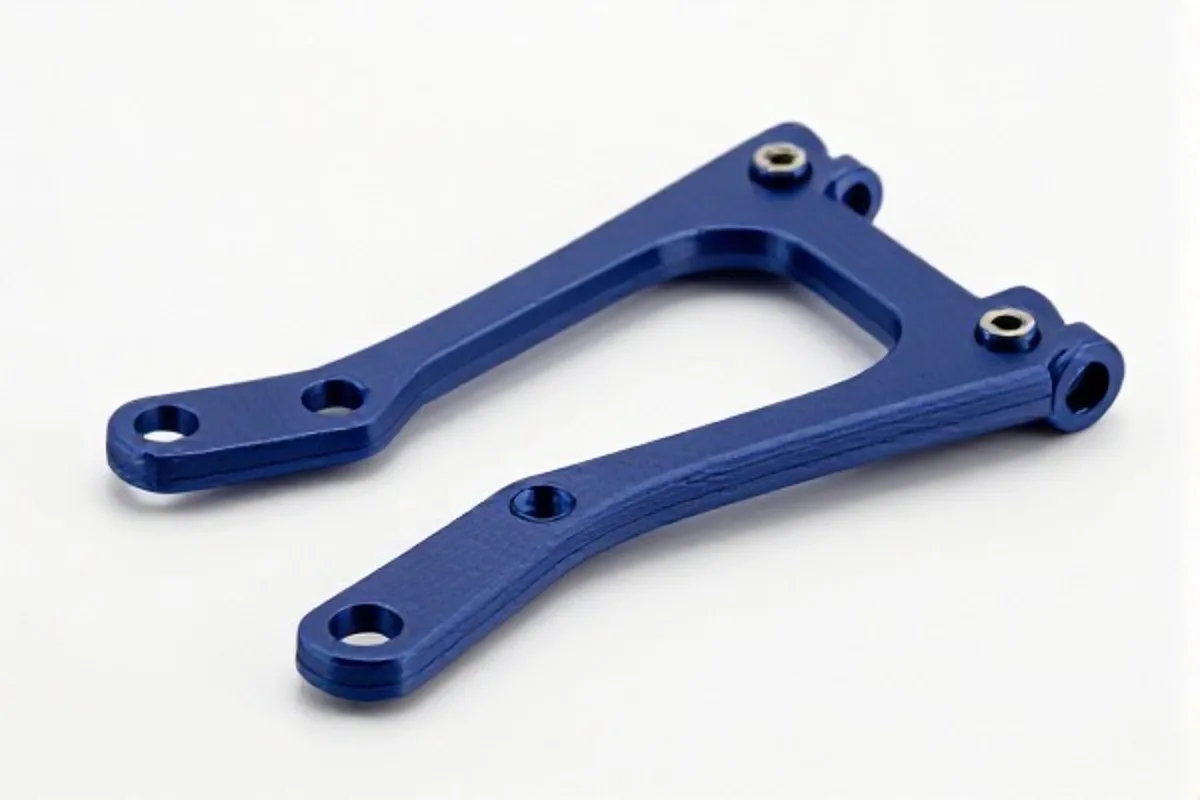
Functional Prototypes
Real-world testing with production-grade nylon, including snap fits and living hinges.
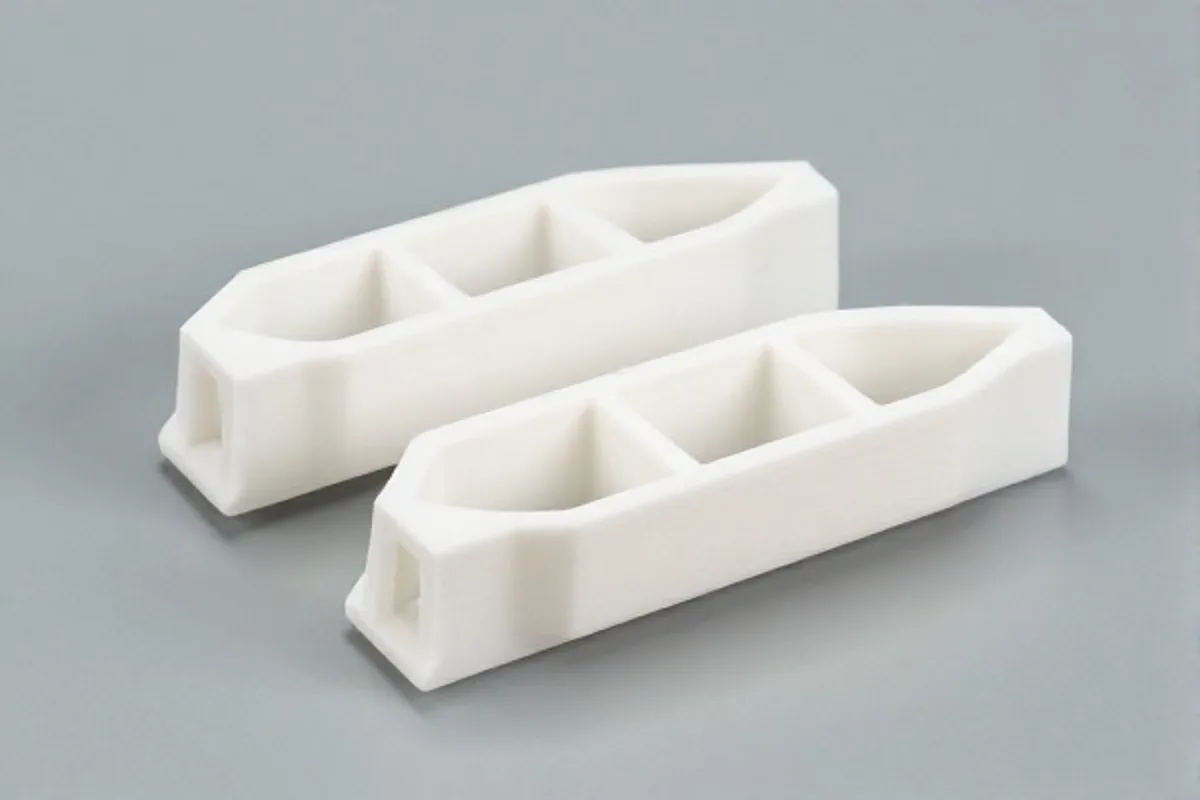
End-Use Parts
小ロット生産 parts with injection-mold-like properties.
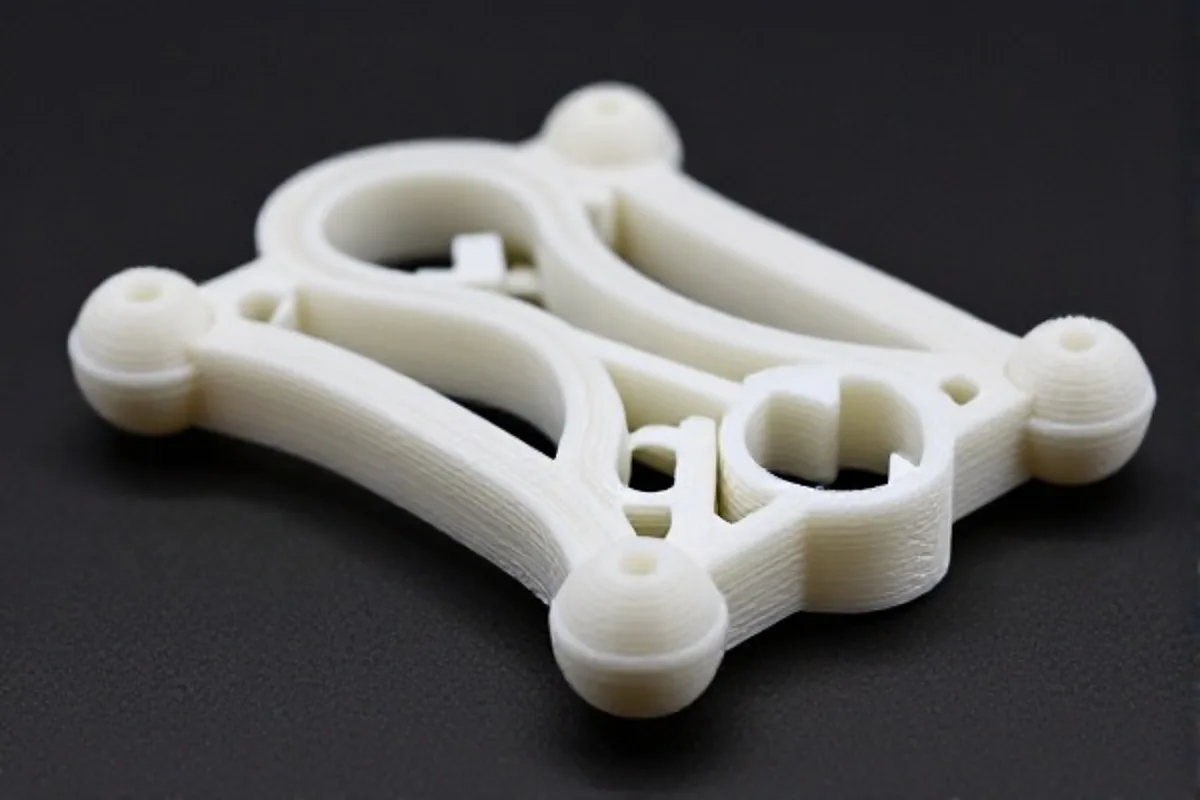
Complex Assemblies
Interlocking mechanisms, internal channels, and ball joints printed as one piece.
Verified Quality
SLS parts are checked against the agreed RFQ scope. Nylon part accuracy depends on geometry, powder refresh, nesting, bead blasting or dyeing, and whether critical features need measurement evidence.
Layers
Build strategy
Inspection
Dimensional report
Certified
Documented QC
Finishes
Dye, Polish, Paint
Related routes
Compare adjacent prototype-to-production routes
技術 buyers often move between SLA, SLS, CNC machining, rapid tooling, and low-volume production inside the same program. Use these context links when the RFQ needs a material, tolerance, tooling, or bridge-volume comparison.
Smooth resin prototypes, clear models, and master patterns.
Nylon functional prototypes and geometry that benefits from powder-bed support.
Production-grade metals or plastics, machined datums, and tighter critical features.
Prototype molds, T1 samples, and molded material validation before production tooling.
Bridge quantities when the design is moving from prototype into repeatable batches.
SLS Printing FAQ
What is the difference between SLS and SLA?
SLS uses a laser to sinter nylon powder, producing strong functional parts. SLA cures liquid resin for smooth visual prototypes. SLS is better for mechanical testing; SLA is better for fine details and aesthetics.
What is the minimum wall thickness for SLS?
Minimum wall thickness depends on nylon grade, part size, unsupported spans, and expected load. Thin walls can be possible, but engineering review should confirm where stiffness, clips, threads, or sealing features matter.
Can SLS parts be dyed or painted?
Yes! SLS nylon absorbs dye well, and we offer black, blue, red, and custom colors. Parts can also be primed and painted for a smooth, colored finish.
Is SLS suitable for food-contact applications?
Standard SLS nylon is not food-safe due to its porous surface. However, we can apply food-safe coatings or use specialized materials for short-term food contact applications.
Start Your SLS Project Today
Upload your STL or STEP files for an instant, secure quote.
CADをレビュー用にアップロード