
簡易金型 サービス
& 射出成形
DFocus PROTOTYPE reviews rapid tooling projects by part geometry, resin, mold material, validation quantity, and inspection scope before confirming schedule.
- Tool schedule after DFM review
- Cost-Effective for Trials & Low-Volume Production
- Real Injection Grade 材料
Tooling schedule and shot target confirmed during RFQ.
簡易金型 ソリューション
Choose the right tooling material based on your volume, budget, and timeline.
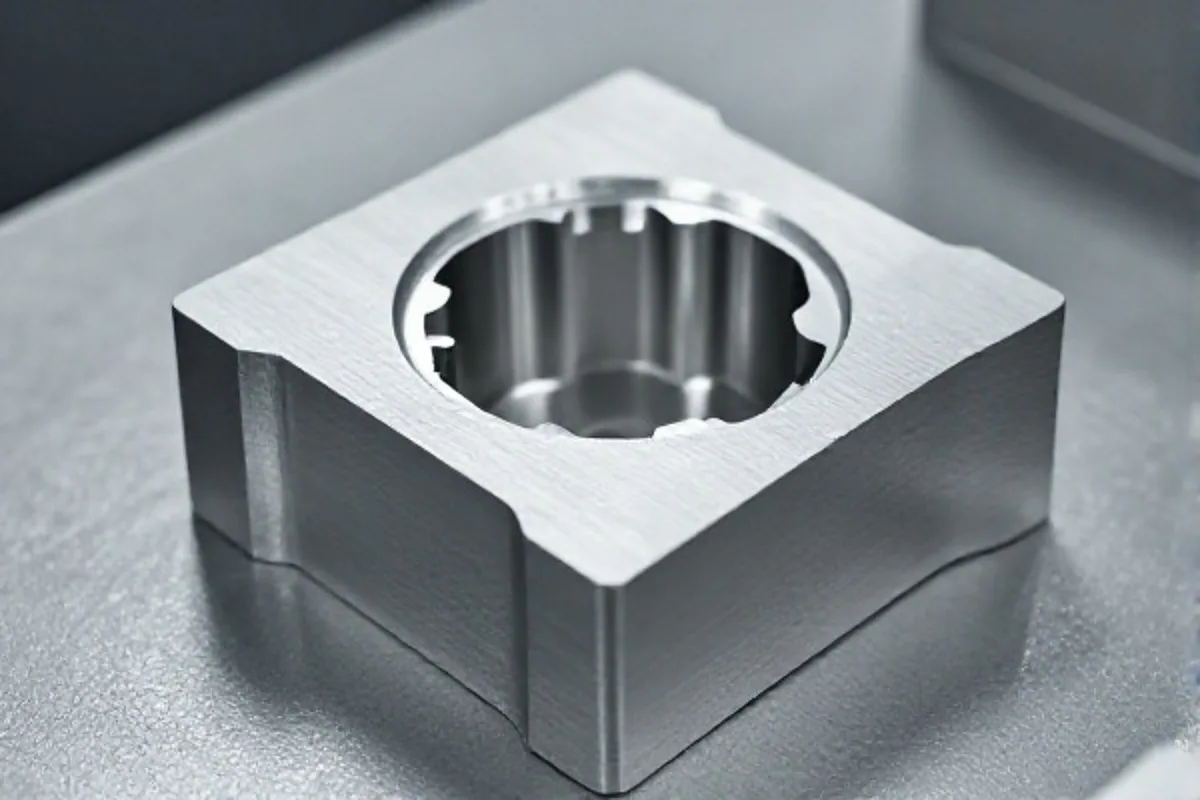
Aluminum Mold Tooling
Aluminum tooling can fit prototype and bridge programs when resin, part geometry, surface finish, and expected shot count are suitable. Cost and cycle assumptions are confirmed during RFQ.
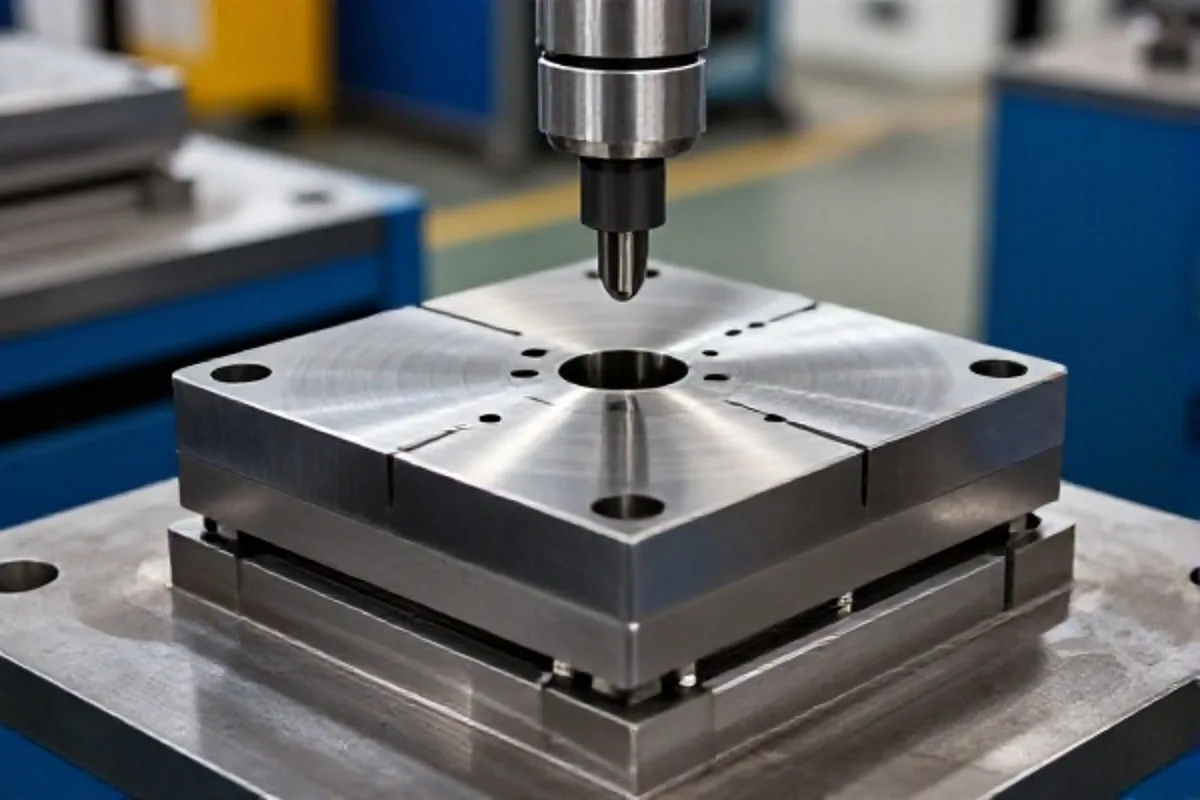
Steel Mold Tooling (P20, NAK80)
Steel tooling can fit higher validation or repeat production needs when resin, texture, inserts, and expected tool life justify the route. Shot assumptions are confirmed during RFQ.
The "Bridge to Production" Strategy
Use rapid tooling when prototype validation and bridge quantities justify a mold before a hardened production tool.
3Dプリント
1-10 Parts • 2 Days
簡易金型
Pilot quantity • schedule reviewed
Steel Tooling
Production scope by RFQ • schedule reviewed
Supported Injection 材料
Unlike 3D printing, rapid tooling allows you to use real production-grade thermoplastics and elastomers.
Standard Plastics
- ABS
- Polypropylene (PP)
- Polycarbonate (PC)
- HDPE / LDPE
- Polystyrene (PS)
技術 Plastics
- Nylon (PA6, PA66)
- Acetal (POM/Delrin)
- PEEK
- PET / PBT
- PSU / PPS
Elastomers
- TPU
- TPE
- Silicone (LSR)
- ETPU
- PVC
Additives
- Glass Fiber Fill
- UV Stabilizers
- Flame Retardants
- Color Masterbatch
- Talc Fill
簡易金型 FAQ
What is 簡易金型?
Rapid tooling uses aluminum or soft steel routes for validation and bridge programs. Quantity range depends on geometry, resin, finish, expected tool life, and inspection scope.
How fast can I get parts?
For suitable geometries, rapid tooling can be faster than hardened tooling, but T1 timing is confirmed after DFM, mold design, resin, and finish review.
What is the difference between 簡易金型 and ラピッドプロトタイピング?
ラピッドプロトタイピング (3D printing) creates single models. 簡易金型 creates a physical mold to produce real injection molded parts, offering better material properties and tighter tolerances suitable for end-use testing.
How many shots can a rapid mold last?
Rapid mold life depends on resin, part geometry, tool material, texture, inserts, maintenance, and acceptance criteria. We advise the route after RFQ review.
Rapid tooling buyer fit
Rapid tooling fits prototype molds, T1 samples, bridge batches, and low-volume molded parts when CNC or 3D printing cannot prove molded material behavior. DFM should happen before tool cutting.
Prototype molds, bridge tooling, T1 samples, low-volume injection molding, inserts, and early production validation.
CAD, target resin, quantity, mold life, texture, color, tolerance, and approval plan.
Wall thickness, draft, ribs, bosses, gate position, ejector marks, shrinkage, and parting line.
Tool changes cost more after cutting, so lock material behavior and acceptance criteria before PO.
What to send before quote
- ✓CAD and 2D drawing
- ✓Target plastic/resin
- ✓Quantity and mold life
- ✓Texture and color
- ✓T1 sample approval criteria
依頼すべき品質証跡
- ✓DFM notes
- ✓Tooling plan
- ✓T1 sample photos
- ✓Dimension and cosmetic review
関連購買ページ
電話-photo process evidence
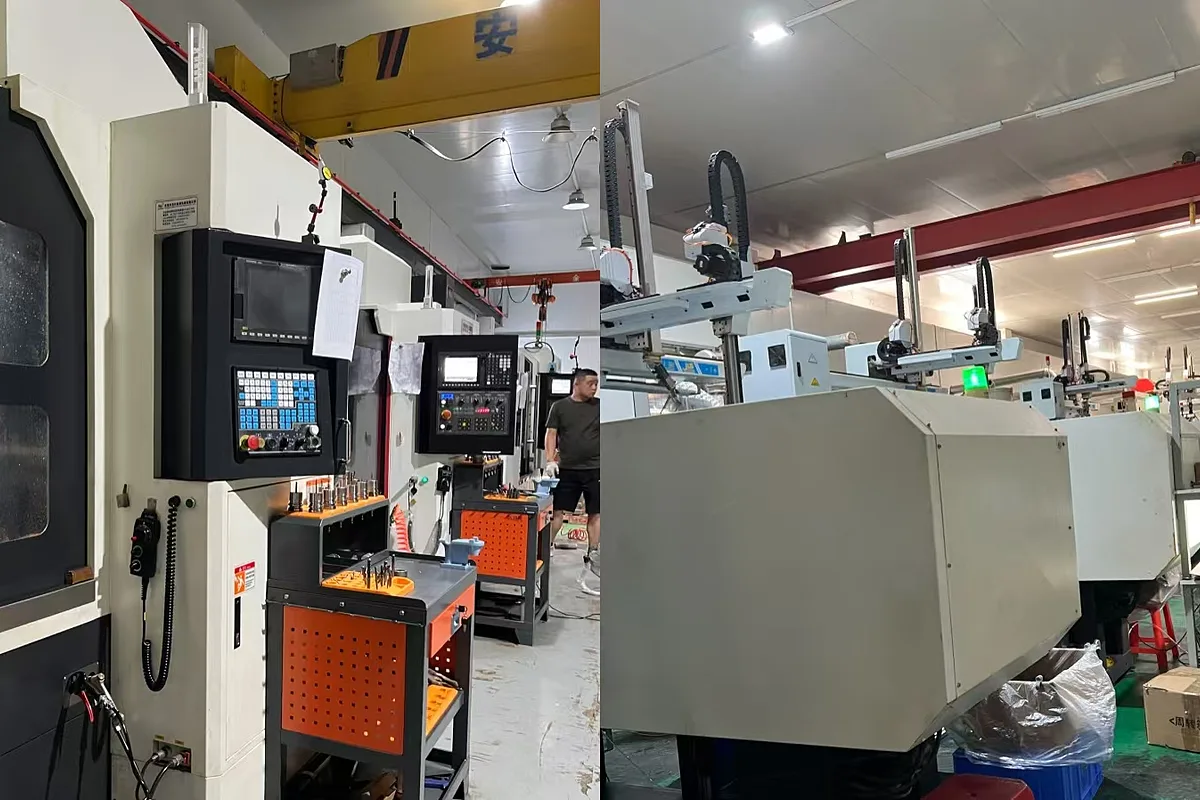
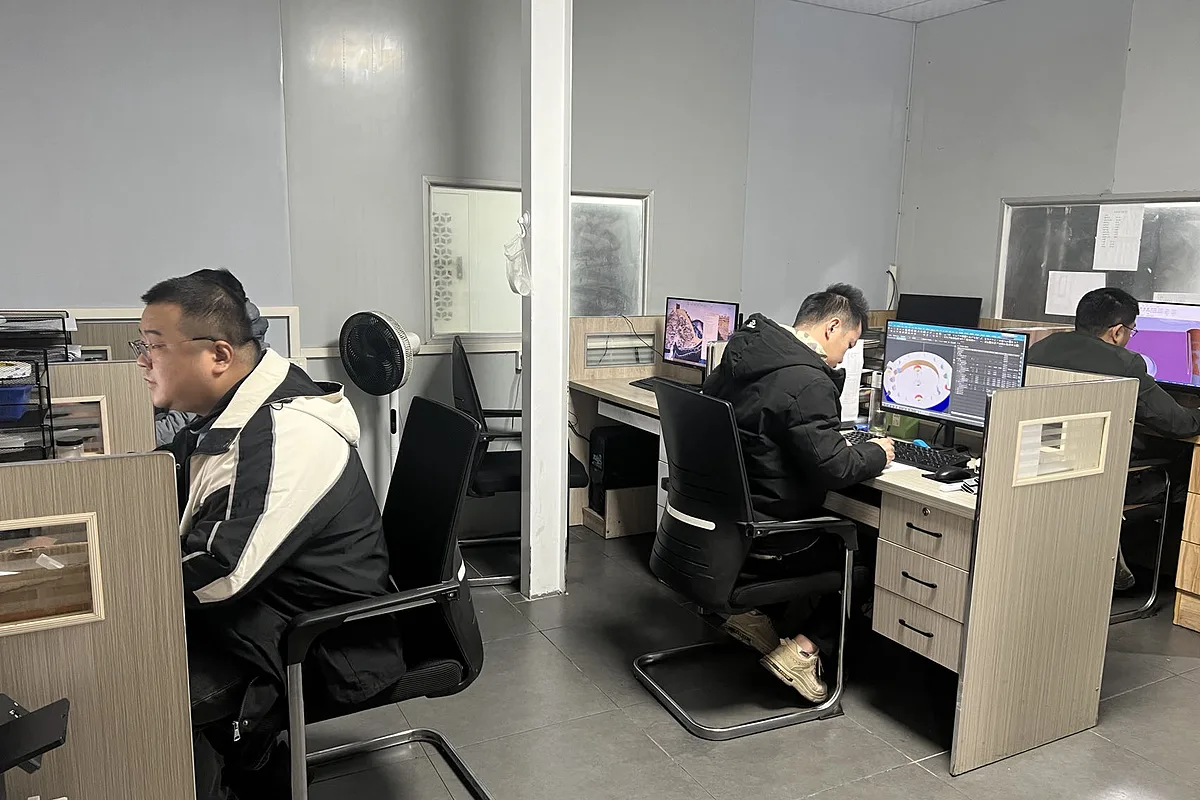
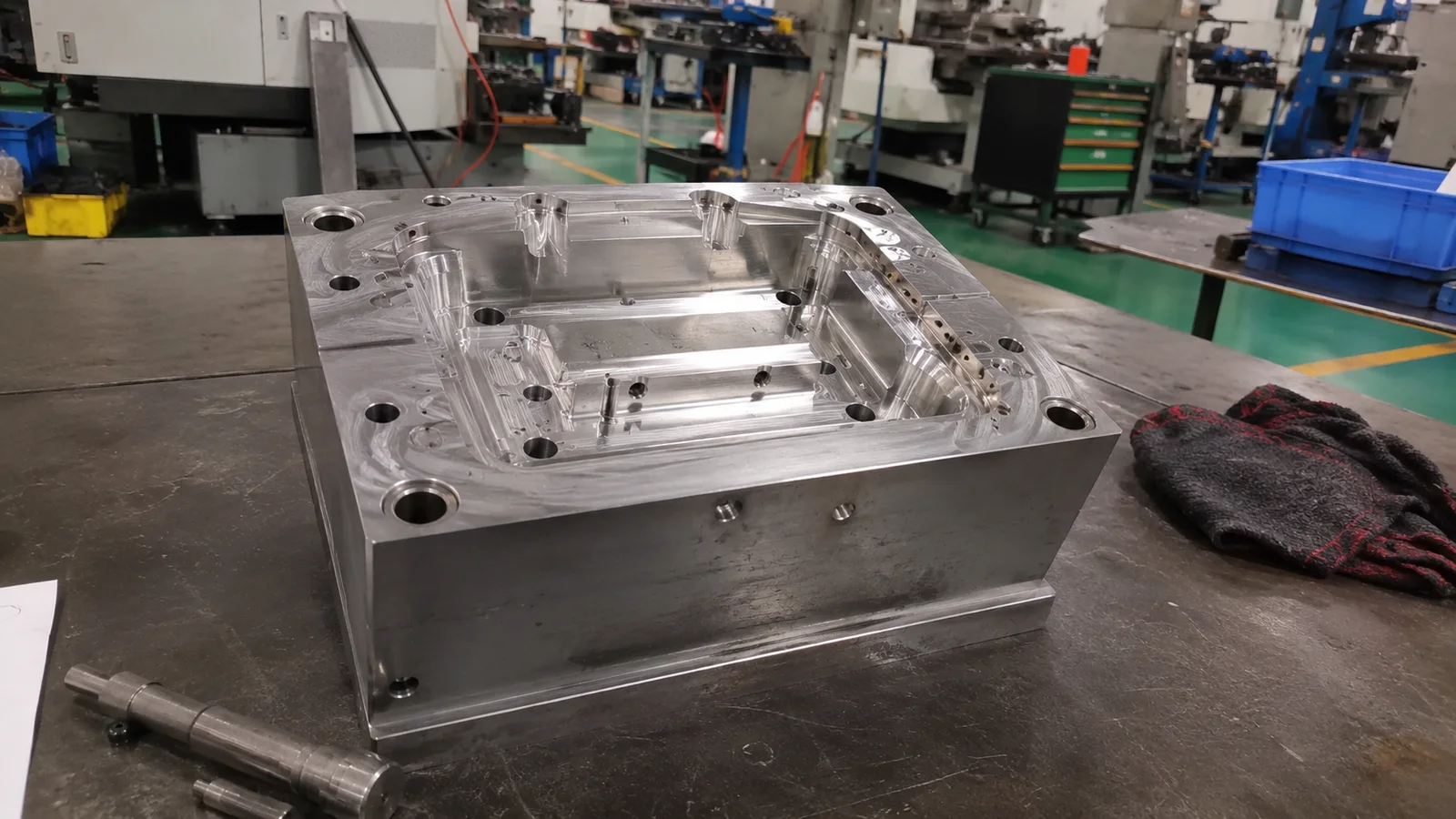
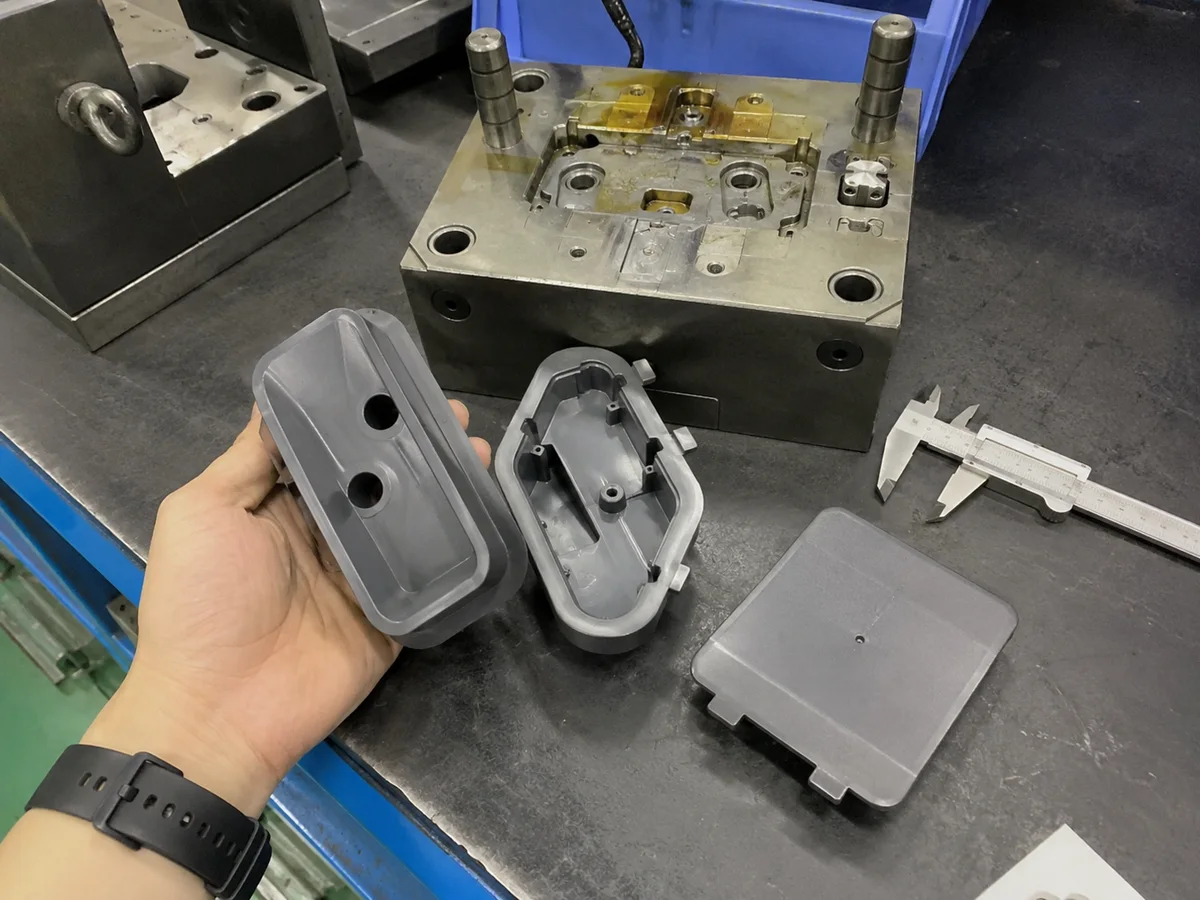
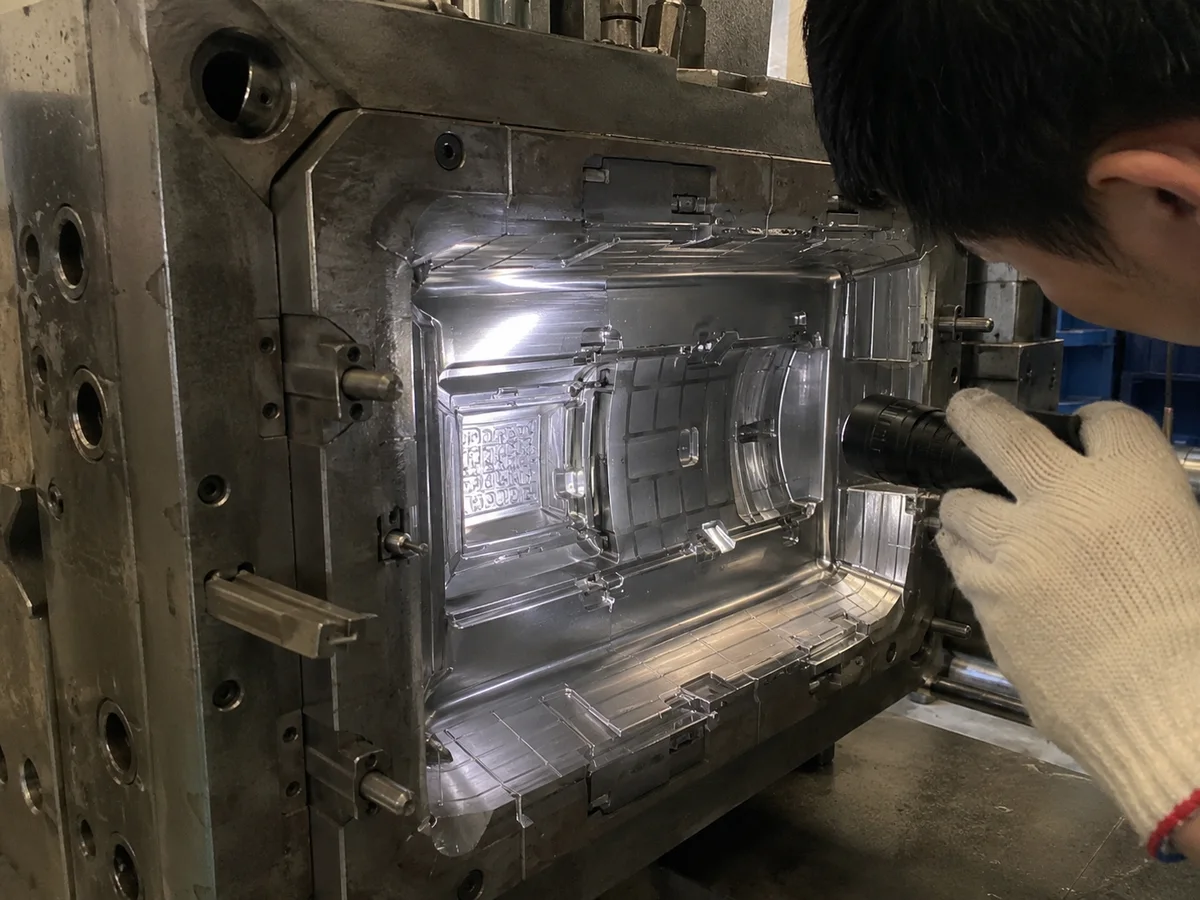
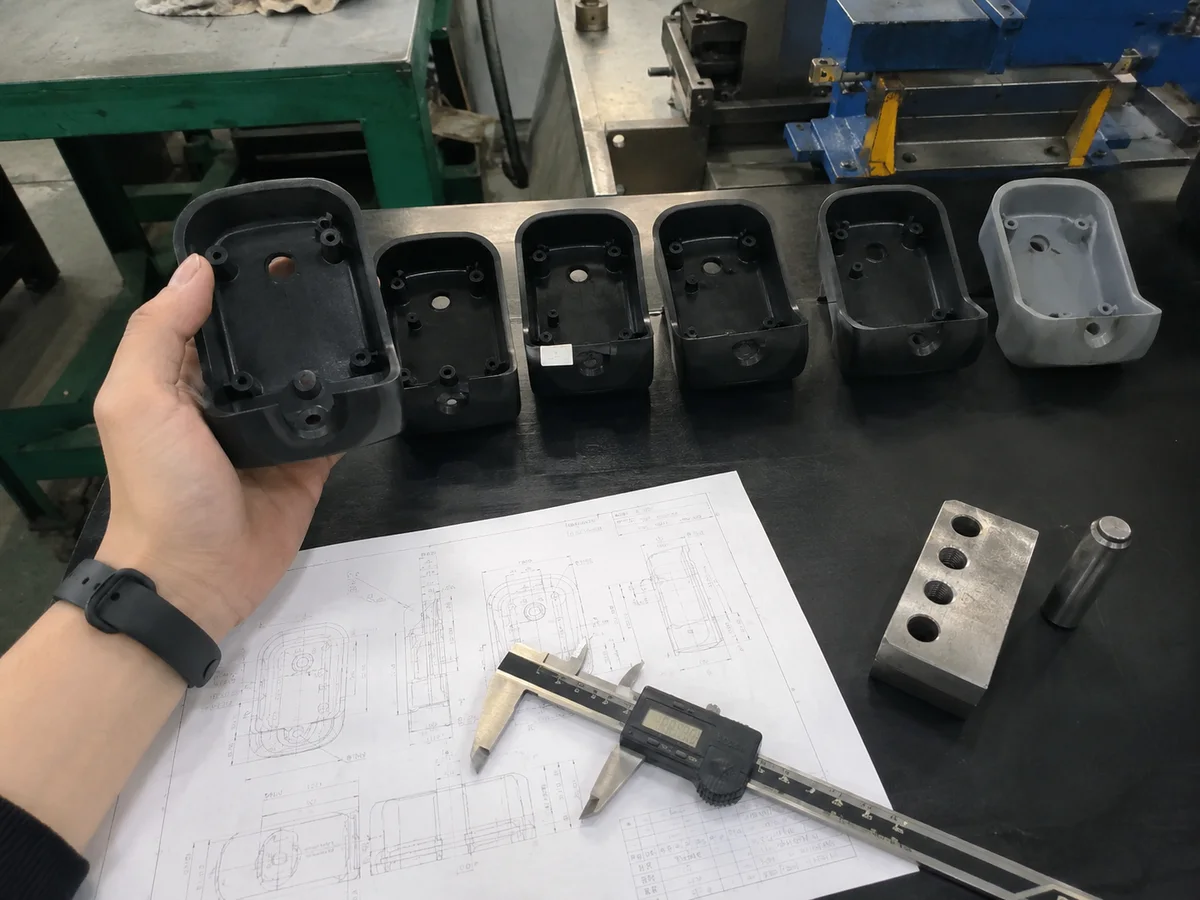
These images are used as practical visual proof points: shop-floor process, inspection, part review, packing, and quote-ready evidence rather than polished stock photography.
購買担当者 FAQ
When is rapid tooling better than CNC or 3D printing?
Rapid tooling is better when the design needs molded material behavior, T1 samples, or a bridge batch before committing to production tooling.
What should a rapid tooling RFQ include?
Send CAD, target plastic, expected quantity, mold life target, texture, color, tolerance, critical dimensions, and sample approval requirements.
How does rapid tooling reduce risk?
It validates part design, gate strategy, shrinkage, cosmetic surfaces, and assembly fit before higher-volume tooling decisions.